14 Jul
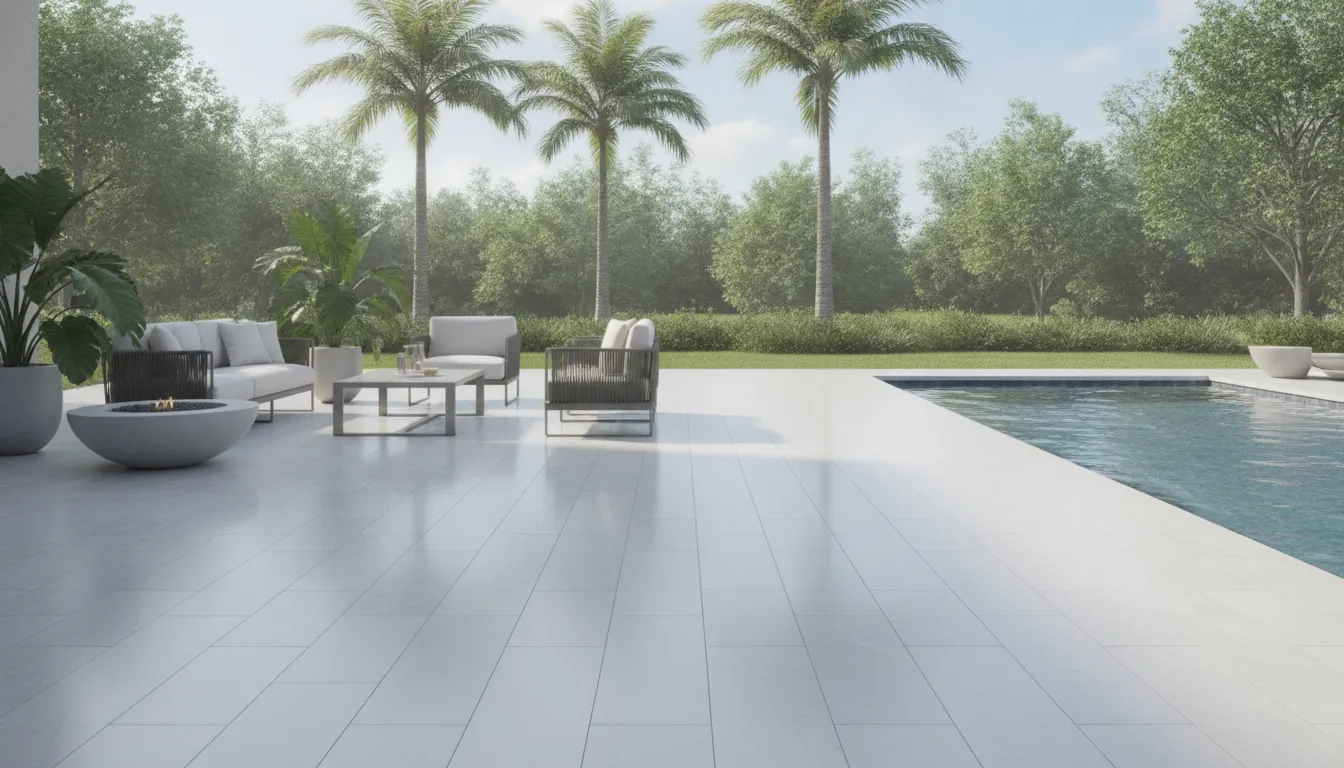
Premium porcelain pavers stay bright and clean in the sun while needing minimal effort from homeowners. These solid surfaces handle spills and damp air better than traditional concrete or natural stone options.
Knowing how to clean and maintain porcelain pavers the right way involves only a few basic tools like a soft broom and mild soap. Because these pavers soak up less than 0.5% water, they fight off stains and mold without needing sealants. Most outdoor dirt can be swept away, while spills like wine or oil rinse off easily with warm water. This dense structure ensures that your patio or pool deck remains strong and safe even in harsh coastal areas like Jupiter or Boca Raton. By following a simple routine of regular sweeping and light washing, you can keep your pavers looking new for decades.
Explore Our Porcelain Paver Collection
Homeowners often choose these materials because they want to spend more time enjoying their backyard and less time scrubbing away deep stains. These pavers provide a lasting surface that resists fading and wear. Learning about the process behind these tiles helps you see why porcelain pavers are naturally low maintenance. The path begins with understanding how their unique material science makes them so easy to care for.
Porcelain pavers are a smart choice for any outdoor space. They are very dense and strong. Most people want a patio that stays clean without a lot of work. Because these pavers are non-porous, dirt and grime cannot sink into the surface. This makes them much easier to clean and maintain porcelain pavers than natural stone or concrete. You will spend less time scrubbing and more time enjoying your yard.
The main reason porcelain is so easy to care for is its low water absorption rate. These pavers soak up less than 0.5 percent of water. This is much lower than natural stone, which can soak up ten times that amount. Because they do not hold water, spills like wine or oil stay on top. You can simply wipe them away before they leave a mark. This density also means you never have to seal the surface. This saves you money and time every year.
When you look at porcelain vs natural stone, the difference in care is clear. Stone often needs special soaps and yearly seals to prevent damage. Porcelain is much tougher. It resists acids and chemicals that would ruin other tiles. This makes it a great pick for pool decks where salt and chlorine are common. You get a high-end look without a long list of chores.
Florida weather can be harsh on outdoor tiles. High heat and heavy rain often lead to mold and moss growth. But porcelain has a surface that stops organic growth from taking root. You will not see the green or black patches that often form on concrete patios. These pavers also stay the same color for years. They are UV stable, which means the sun will not fade them over time. Your patio will look as bright as the day it was built.
Heavy rain can also make some surfaces very slick. Porcelain pavers are tested to keep their grip even when they are wet. This non-slip property is vital for safety around pools or walkways. Even in a summer storm, you can walk with ease. The tiles are also cool to the touch. They do not hold as much heat as dark stone or concrete. This makes them much nicer for bare feet on a hot Jupiter or Boca Raton day.
Picking the right tile is the first step in a stress-free yard. With porcelain, you get the best of both worlds. It offers the beauty of stone with the strength of modern tools. By following a simple cleaning plan, your pavers will stay in top shape. You can trust that your outdoor space will look great with very little effort from you.
Keeping your outdoor space in top shape does not take much work. Porcelain pavers are easy to manage because of their dense build. Most dirt and debris sit on top rather than sinking in. A quick plan will keep your patio looking new for many years without the need for strong chemicals.
The first step to clean and maintain porcelain pavers is a simple sweep. Use a soft broom to clear away loose dirt, leaves, or sand. Doing this once a week stops grit from building up on the surface. While porcelain is very tough, small stones can still act like sandpaper if people walk on them often.
Regular sweeping also helps you spot spills before they stay. Even though porcelain's water-resistant properties stop deep stains, clearing the surface keeps it bright. This task takes only a few minutes but saves a lot of deep cleaning time later.
After you sweep, a quick rinse with a garden hose is often enough. Fresh water washes away fine dust that a broom might miss. You do not need any special tools or high-pressure pumps for this step. A standard nozzle on a medium setting works best to keep the area clean.
If you see a sticky spot or a fresh spill, most stains rinse away with water and light brushing. This is helpful for things like bird waste or tree sap. The non-porous nature of these pavers means you do not have to worry about liquid soaking into the tiles and leaving a mark behind.
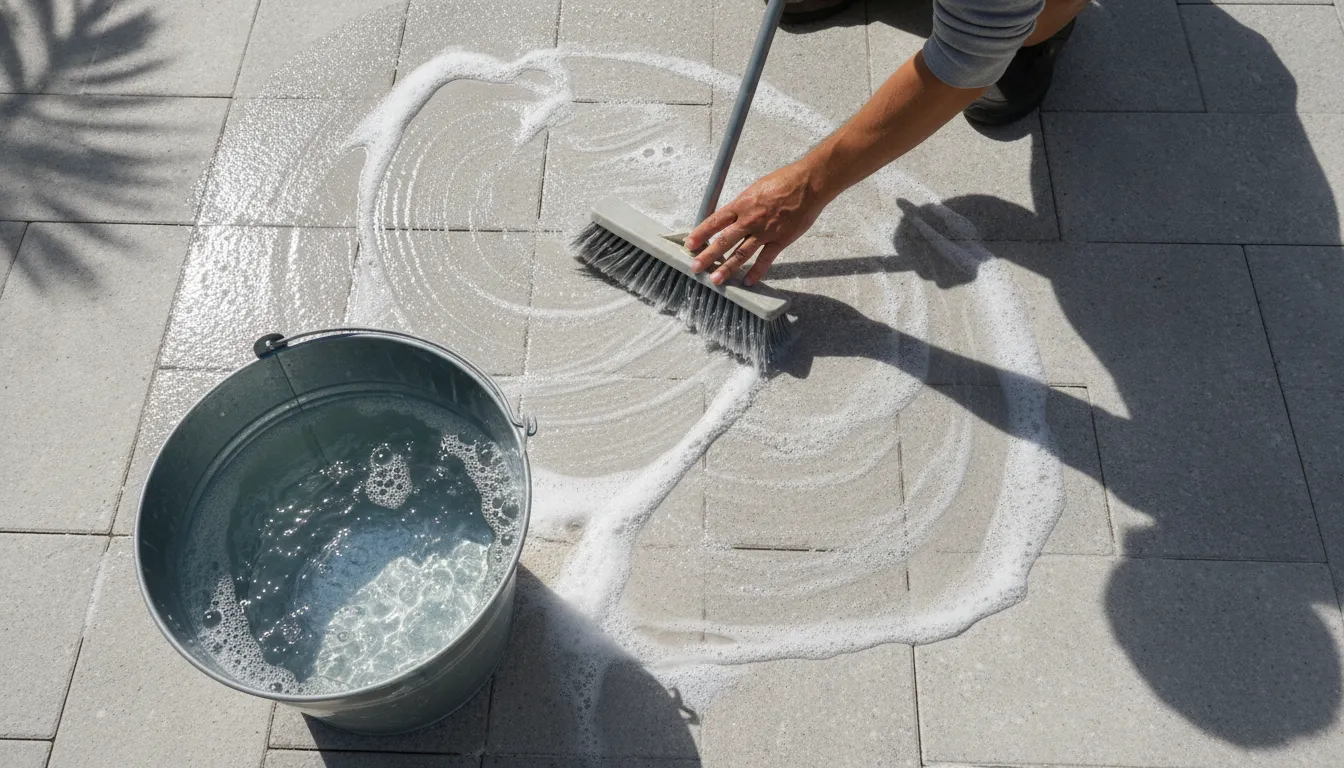
For a deeper weekly clean, you can use warm water mixed with a mild soap. This helps cut through any film from rain or outdoor cooking. Avoid soaps that have oil or wax in them, as these can leave a hazy layer on your tiles. A simple mop or a soft cloth is all you need to use the soapy water.
One big plus is that porcelain does not need sealing to stay safe. Unlike concrete or natural stone, the surface stays closed and tight on its own. This saves you the cost and work of adding chemicals every year. You can find more details on care at the Hardscape.com after-installation guide.
Porcelain pavers have a dense surface that resists most stains. You do not need harsh tools to keep them clean. In fact, some common cleaning items can hurt your pavers. Using the wrong tools or soaps can leave marks or make the surface slick. To clean and maintain porcelain pavers well, you should stick to soft tools and mild soaps.
Never use steel wool or metal brushes on your porcelain pavers. These hard metal tools can leave small bits of steel on the surface. Those bits may rust and create stains that are hard to remove. Abrasive pads can also scratch the top layer of the paver. Instead, use a soft broom or a plastic brush. This keeps the surface safe from harm. Keeping the surface smooth helps maintain the high slip resistance of the product.
Do not use cleaners that have wax or oil in them. These products are often sold to make floors look shiny. On outdoor porcelain, they create a thin film. This film traps dirt and makes the pavers look dull over time. More importantly, wax and oil can make the surface very slippery when wet. Since porcelain is already water-resistant, these cleaners just sit on top. A simple pH-neutral soap is safer and works better for your patio or pool deck.
Stay away from strong acids like muriatic acid. While porcelain has high chemical resistance, very strong acids can be too much. They might change the color of the paver or eat away at the joint sand. High-acid soaps can also harm nearby plants or pool gear. For most dirt, warm water and a mild soap are all you need. If you have a tough spot, look for a cleaner made just for porcelain. This protects your pavers and the proper paver installation methods used to set them.
The best way to care for your pavers is to keep it simple. Most dirt sits on the top because porcelain has a very low water absorption rate of less than 0.5 percent. These soaps break down dirt without leaving a film. They are safe for the pavers and for your skin. Using the right soap means you spend less time cleaning and more time enjoying your outdoor space.
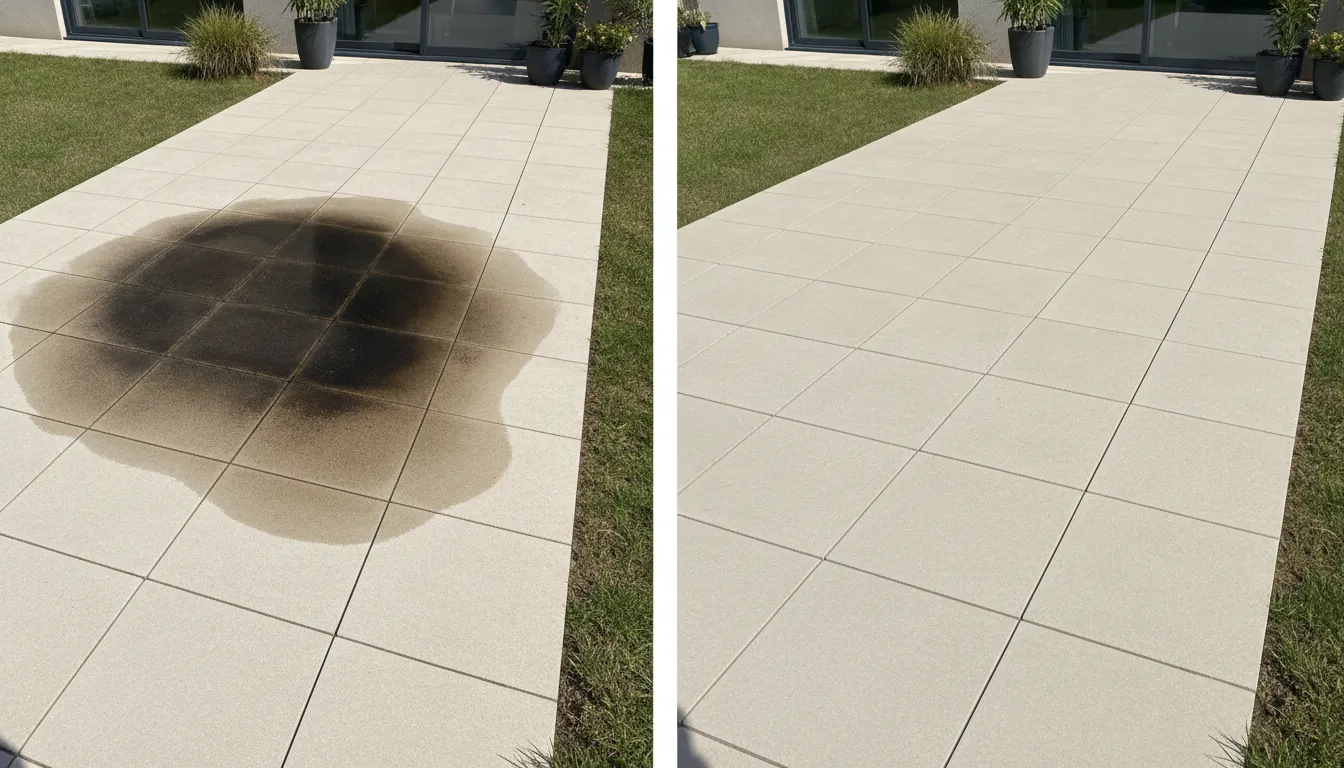
Porcelain pavers are built to stay clean and bright for years. They handle harsh weather and spills with ease. These pavers resist chemicals well. They stay safe from road salt, pool water, and acid rain. Since the stone is solid, it keeps oil, wine, and yard spills out. This makes it simple to clean and maintain porcelain pavers even in high-use spots. The dense stone keeps stains on the top where you can reach them.
Most spots on your pavers will wash away with a simple rinse of water. If a mark stays, follow these steps to get your patio clear again. You can use mild soap for most jobs around the house. For very tough marks, you may need a soap made just for porcelain tile.
If you use a power washer, keep the tip at a low angle to save the sand joints. These stones help keep dirt out. Always keep the water moving so you do not hit the sand too hard. Since these are sand-set pavers, you must be careful not to wash away the base. If you lose some sand, you should replace it to keep the pavers tight.
In Florida, pool decks and patios face unique threats from salt and sun. Grill grease can be a big problem on some stone, but porcelain resists it well. Yard waste like fruit or leaves can also leave marks if left too long. By cleaning these spots fast, you keep your stone looking new. For more help, visit the Hardscape.com after-installation care page or call 561-998-5000.
Porcelain pavers offer more than just a clean look. They save you time and money on upkeep. You do not need to seal these pavers every year like you do with pavers installed over concrete. This low-care trait makes them a smart choice for busy Florida homes. Whether you live in Jupiter or Tampa, your patio will stay strong against the humid air and salty spray. By following a simple care plan, you ensure your outdoor space lasts for decades.
Porcelain pavers are known for being very low care. But a small amount of care each season helps them stay in top shape. Using a simple plan, you can protect your patio and keep your outdoor space looking new for years. When you want to clean and maintain porcelain pavers, a seasonal plan is your best tool.
When spring comes, it is time for a deep clean. You should remove any dirt that built up during the winter months. This deep clean helps show off the true color of the pavers. This is also the best time to check the joints between your pavers. Look for any loose or missing sand at the edges of the patio. If you find gaps, you can add more polymeric sand to keep the surface firm.
During the summer, your patio or pool deck likely sees a lot of use. Frequent foot traffic and outdoor parties can lead to small spills. Regular checks will help you find and rinse away any messes before they dry. Since porcelain is non-porous, most dirt will come right off with a quick spray from a hose. Keeping the area clear of food and drink spills will keep your space ready for guests.
In the fall, the main goal is to clear away plant debris. Leaves, fruit, and berries can fall from nearby trees and sit on your pavers. In many areas, palm berries or oak leaves can pile up quickly. While porcelain resists most stains, letting wet leaves sit for a long time is not good. Sweeping these away once a week will stop any buildup. A soft-bristle broom is the best tool for this task.
Winter care is mostly about handling snow and ice. You should use a plastic shovel to remove snow to avoid scratching the surface. Metal shovels can leave marks on some materials, so plastic is safer. For ice, choose a marine salt or a non-toxic de-icer. Some salts can be hard on the environment if used in large amounts, so apply them lightly. Because porcelain has a very low water soak rate, it handles freeze-thaw cycles much better than concrete.
If you live in Florida, your care needs are a bit different. High UV levels and afternoon rain showers are common in cities like Jupiter and Tampa. Porcelain pavers are UV stable, so they will not fade in the sun. This is a big plus compared to other materials that can lose their color. But the heavy rains can sometimes wash away joint sand over time.
For pool decks in Fort Myers or Boca Raton, you should also keep an eye on salt or chlorine buildup. High humidity can sometimes make surfaces feel sticky if they are not rinsed. A quick rinse with fresh water once a month will keep the area clean. You can find more care guides at the Hardscape.com after-installation page to help you plan your routine. These steps will ensure your porcelain pavers look great all year long.
| Season | Main Tasks | Key Focus |
|---|---|---|
| Spring | Deep clean pavers and check joint sand. | Joint sand health |
| Summer | Rinse away spills and check for dirt. | High-use cleaning |
| Fall | Sweep away leaves, berries, and debris. | Stain prevention |
| Winter | Use a plastic shovel and apply de-icing salt. | Freeze-thaw protection |
| Florida | Rinse pool salt and check for sand loss. | UV and rain care |
Porcelain pavers are strong against mold and stains, but the gaps between them need care. Weeds rarely grow through the porcelain itself. Instead, wind blows seeds into the sand joints where they take root. Keeping these joints full is the best way to keep your patio looking new. Proper joint care also helps keep your proper paver installation methods stable for a long time.
If you see a small weed, pull it out by hand right away. Taking out weeds early stops their roots from pushing the sand out of place. You may need to add more sand if it washes away during a big storm or a deep clean. Keeping the gaps full stops dirt from building up in the cracks. You can find more tips on joint health through the Hardscape.com care resources to keep your yard in top shape.
Regular checks are vital for a sand-set system. When you clean your pavers, look for spots where the sand level has dropped. This often happens in busy areas or near pool edges. If the sand is low, just sweep new dry sand into the gaps. This easy step keeps the pavers from shifting. It also blocks space where weed seeds might land and grow.
Many people choose polymeric sand to lock their joints in place. This special sand has a binder that gets hard when you add water. It creates a firm seal that stops washouts and makes it hard for weeds to grow. This is a great choice for Florida homes where heavy rains are common. You should follow a clear polymeric sand application guide for porcelain pavers to get the best results.
The binder in the sand acts like a wall against pests and plants. While it stays soft enough to move with the earth, it stays in place better than plain sand. This helps keep outdoor water use from washing away your base. Using the right joint filler makes sure your deck stays flat and safe for walking. It also cuts down on the time you spend pulling weeds each month.
Hardscape.com offers 2CM, 3CM, and 5CM thickness options to suit any project. Thicker pavers give extra strength for driveways and business areas. No matter the size, we always suggest a sand-set way to install them. This path allows for natural drainage and easy joint repair. It avoids the cracks and water issues common with concrete slabs. You can call us at 561-998-5000 to talk about which size is right for your needs.
No, porcelain pavers do not need sealing. They are non-porous and absorb less than 0.5% water. This is much lower than concrete or natural stone. Based on Hardscape.com, this low absorption rate makes the surface naturally resistant to stains and moisture. You save time and money because you never have to apply a sealer to the pavers.
Yes, you can use a pressure washer to clean porcelain pavers. Keep the pressure at 1600 PSI or less. Use a wide fan tip and hold it at a low angle. Do not spray the water directly into the sand joints. This protects the sand-set base from washing away. For the best results, keep the lance moving at all times. This will help you avoid making any marks on the surface.
You should sweep or blow your pavers once a week. This removes small stones and dirt that could scratch the surface. You can also give them a deeper wash with mild soap and water every few months. This routine keeps your outdoor space looking its best all year long. Regular care is easy because the pavers are so durable. Most dirt will rinse off with just a simple garden hose.
The best cleaner is warm water mixed with a mild soap. Make sure the soap is pH-neutral for the best results. You should avoid any cleaners that have oil or wax in them. These products can leave a film that makes the floor slippery. For tough stains, you can find cleaners made just for porcelain. Always rinse the area well with fresh water after you finish cleaning to remove any soap suds.
Most stains will rinse away with water and light brushing. For tougher marks like oil or wine, you can use a mild household cleaner. You should avoid any products with high acid content. These can change the color of the pavers or damage the sand joints. Always test a small spot first before you clean the whole area. For the best care, act fast and rinse spills as soon as they happen.
Porcelain pavers give you the outdoor space you deserve with minimal upkeep. Their non-porous surface resists stains, mold, and fading so you can spend more time enjoying your patio and less time cleaning it. Whether you are building a new pool deck in Boca Raton, upgrading a walkway in Jupiter. Or designing a commercial space in Tampa, Hardscape.com offers premium 2CM, 3CM, and 5CM porcelain pavers backed by a 15-year warranty.
Ready to get started? Call (561) 998-5000 to visit a showroom, order samples, or speak with our expert team. We serve homeowners, architects, and contractors across Florida from our showrooms in Jupiter, Boca Raton, Fort Myers, and Tampa.