14 Aug
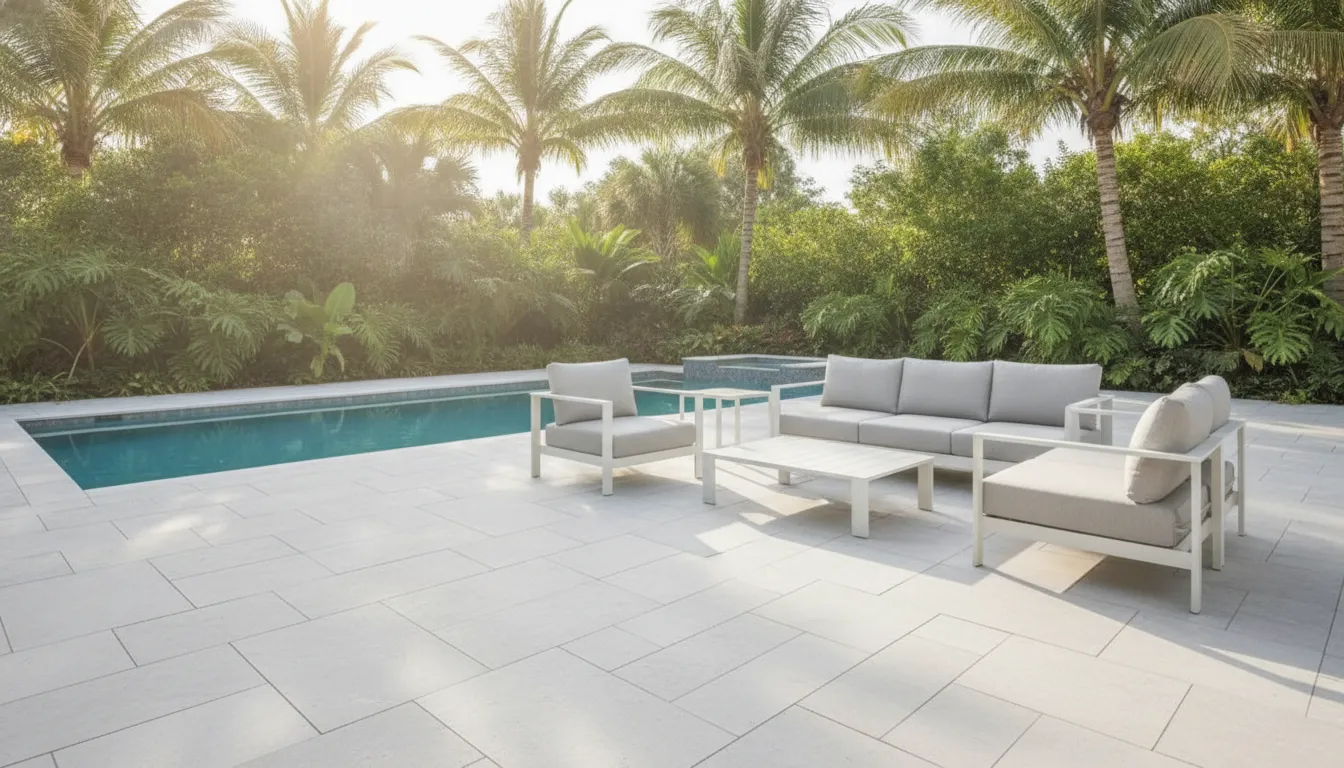
A patio has to do more than define an outdoor seating area. In Florida, it also needs to handle humidity, frequent rain, changing temperatures, and the everyday spills that come with entertaining. The right paver can make the space easier to live with while giving the design a deliberate, finished look.
Contact Hardscape.com to explore porcelain patio pavers and order samples.
Porcelain pavers for patio projects offer a low-maintenance surface with adaptable design options, strong resistance to water absorption, and a sand-set installation approach that supports drainage and flexibility. Homeowners can choose from multiple sizes, colors, and patterns to create a patio that suits a modern, coastal, or transitional landscape.
That combination makes porcelain worth evaluating alongside concrete and natural stone, especially when long-term upkeep matters. The best choice still depends on the patio's layout, drainage plan, intended use, and preferred visual character. Start with the material qualities that affect daily performance, then consider how those qualities translate into a comfortable and cohesive Florida patio.
A patio has to handle daily foot traffic, outdoor furniture, weather, spills, and the moisture that comes with Florida's humid climate. Porcelain pavers are engineered for that combination of demands, giving homeowners and design professionals a durable surface that remains relatively easy to care for over time.
Porcelain is non-porous, so it does not absorb water the way more absorbent paving materials can. That property helps resist staining and makes the pavers less hospitable to mold and algae growth. An important advantage for patios in humid areas such as Jupiter, Boca Raton, and Fort Myers. Hardscape.com identifies non-porous porcelain as a practical choice for Florida's climate because it limits water absorption and supports a cleaner-looking outdoor surface.
Every patio still benefits from prompt cleanup and sensible drainage, but the material itself does not require the same level of ongoing attention associated with porous surfaces. Its stain resistance and minimal maintenance are also central to porcelain's value compared with traditional stone or concrete, as explained in this porcelain paver material comparison.
A stable, slip-resistant surface is especially valuable around outdoor dining areas, walkways, and pool decks. Porcelain pavers provide slip resistance that can help create a more dependable walking surface when outdoor conditions are damp. The surface also stays cool to the touch compared with many heat-absorbing outdoor materials, supporting a more comfortable patio experience during sunny Florida afternoons.
Durability is another reason designers specify porcelain. The material is built for demanding residential and commercial applications, while the available 2CM, 3CM. And 5CM formats allow a project team to select products suited to different load-bearing requirements. That range supports patios, courtyards, pool surrounds, and other outdoor living areas without sacrificing a coordinated design approach.
Routine care is straightforward: remove loose debris, clean spills promptly, and use appropriate care methods for the specific installation. Because porcelain resists water absorption, staining, mold, and algae, patio owners can spend less time on intensive maintenance and more time using the space. Proper sand-set installation also supports drainage, which helps the patio perform as part of a well-planned outdoor system.
The bottom line: Porcelain pavers combine non-porous, stain-resistant construction with slip resistance, outdoor durability, and a comfortable surface for patios and pool decks. Their resistance to moisture-related growth and straightforward routine care make them especially well suited to Florida's humid, sunny climate.
Designing with porcelain pavers for patio spaces gives you control over scale, rhythm, and visual balance without sacrificing practical performance. Hardscape.com offers a porcelain product range that spans 2CM, 3CM, and 5CM pavers, along with cobblestones and coping. So the right selection can support the needs of a residential or commercial project. For many residential patios, 2CM pavers provide a versatile foundation for creating a refined outdoor living area.
Large-format pavers create fewer visual joints and a calm, open appearance. They work especially well when the patio is intended to feel like an extension of the home, with clean lines that complement contemporary architecture. Plank-style pavers introduce a longer, narrower proportion that can guide the eye along a walkway, frame a seating area, or add direction to a rectangular patio.
Running bond is a straightforward layout in which each row is offset from the one before it. The pattern feels familiar and works well for paths, long patios, and transitional spaces. A modular pattern uses a planned combination of different paver sizes to create a more structured rhythm. It can define dining, lounge, and circulation zones while keeping the surface cohesive. Your installer or design professional can help confirm which layout fits the patio dimensions and the selected paver collection.
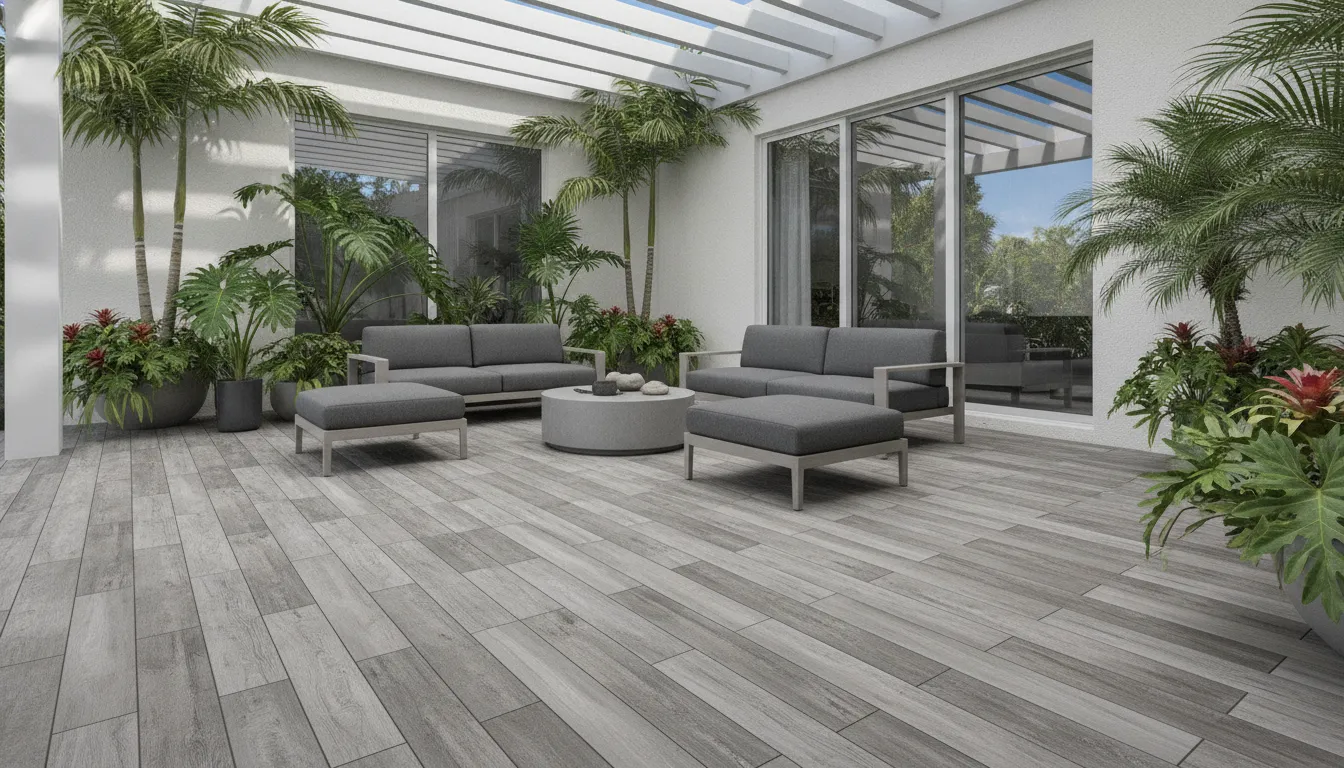
Porcelain pavers are available in a range of colors and textures that can echo the visual character of natural stone, while offering a consistent manufactured surface. Neutral gray, warm beige, and blended earth tones can complement stucco, wood, metal, and masonry accents. More tonal variation can add depth to a larger patio, while a quieter color can keep a compact space feeling visually open.
Consider the surrounding materials before choosing a color. A paver that picks up a subtle tone from the home's exterior can make the patio feel integrated rather than added on. Texture also matters: select a surface that supports the desired visual effect and provides a stable, slip-resistant patio area. Any images used to present these ideas should show porcelain products exclusively, including close views of porcelain paver texture and installed patio patterns.
For a residential project, explore the 2CM porcelain paver collection for patio-focused options, or browse the broader porcelain paver product range to compare available styles, sizes, and coordinating pieces.
The bottom line: Large-format and plank sizes create distinct visual rhythms, while running bond and modular patterns help organize the patio. A considered color and texture selection, paired with the appropriate 2CM porcelain paver, can produce a cohesive residential design that is both refined and practical.
A well-built patio begins below the visible pavers. Sand-set installation creates a prepared, level foundation while allowing water to move through the patio assembly and giving the surface limited flexibility as outdoor conditions change. The method also supports a cleaner installation process because each paver is placed and adjusted individually.
Sand-set installation promotes natural drainage and can reduce reliance on more complex rigid drainage systems. The U.S. Environmental Protection Agency explains that permeable paving assemblies can allow water to seep through surface and underlying layers, helping manage runoff: EPA guidance on permeable pavement. For porcelain paver installation, the sand-set method is essential for structural integrity and drainage.
The bottom line: A durable sand-set patio depends on disciplined preparation, a uniform bedding layer, precise paver placement, properly filled joints, and careful compaction. When each stage is completed correctly, porcelain pavers create a stable patio surface with drainage and flexibility built into the installation.
For a Florida patio, material selection is about more than appearance. Humidity, heavy rain, algae, stains, heat, and regular outdoor use all affect how a surface performs over time. Porcelain, concrete, and natural stone can each create an attractive patio, but they differ in water absorption, maintenance, consistency, and long-term care.
Porcelain pavers are non-porous, so they do not absorb water in the way more porous materials can. That helps them resist mold and algae in humid conditions. They are also stain-resistant and designed for outdoor durability, while a properly selected porcelain paver provides a stable, slip-resistant walking surface. The comparison below focuses on practical ownership considerations rather than price.
| Consideration | Porcelain pavers | Concrete | Natural stone |
|---|---|---|---|
| Water and humidity | Non-porous and resistant to water absorption, mold, and algae growth. | Can be affected by moisture, weathering, and surface staining over time. | Porosity varies by stone, so moisture behavior and care requirements vary. |
| Stain resistance | Highly stain-resistant, with minimal routine maintenance. | Can show stains and color changes as the surface weathers. | Can absorb spills and may require more attentive cleaning and protection. |
| Sealing and upkeep | Does not require sealing as part of routine maintenance. | Maintenance needs depend on the product, exposure, and surface condition. | Many stone types require sealing and periodic care to manage absorption and staining. |
| Strength and product selection | Available in 2CM, 3CM, and 5CM options for different load-bearing requirements, subject to project specification. | Performance depends on the mix, construction, reinforcement, and installation details. | Performance depends on the specific stone, thickness, density, and installation details. |
| Appearance over time | Offers consistent color and a broad range of design choices with low maintenance. | Can weather, discolor, or develop visible wear depending on exposure and use. | Provides natural variation, but color and texture can change with weathering and care. |
These differences make porcelain especially well suited to homeowners and designers planning patios in places such as Jupiter, Boca Raton, or Fort Myers. The right choice still depends on the intended use, selected thickness, drainage plan, and site conditions. For a closer look at the material differences, read how porcelain pavers compare with natural stone.
The bottom line: Concrete and natural stone can suit particular designs, but porcelain offers a strong combination of water resistance, stain resistance, consistent appearance, and reduced upkeep for Florida patios. Choose the product thickness and sand-set installation approach for the demands of the specific project.
Florida patios face a demanding combination of humidity, intense heat, heavy rain, airborne salt, and frequent outdoor use. Porcelain pavers for patio projects are well suited to those conditions because the material is non-porous. It does not absorb water, which helps resist the mold and algae growth that can become a recurring problem in humid environments.
That resistance also makes routine care straightforward. Dirt, pollen, food spills, and other surface debris can usually be addressed with regular sweeping and simple cleaning rather than a complicated maintenance schedule. For a detailed care routine, see how to clean and maintain porcelain pavers.
Natural stone can require periodic sealing because its pores may absorb moisture and stains. Porcelain does not need that type of sealing to limit water absorption. That means homeowners can avoid planning around resealing cycles and focus instead on practical upkeep, such as removing leaves and rinsing away accumulated soil after storms.
Non-porous construction is especially useful around patios near the coast, where salt-laden air adds another source of residue. It will not eliminate the need to clean a patio, but it can make stains easier to manage and reduce the opportunity for moisture-related growth to take hold. Hardscape.com identifies porcelain pavers as highly resistant to staining and low maintenance compared with traditional outdoor paving materials.
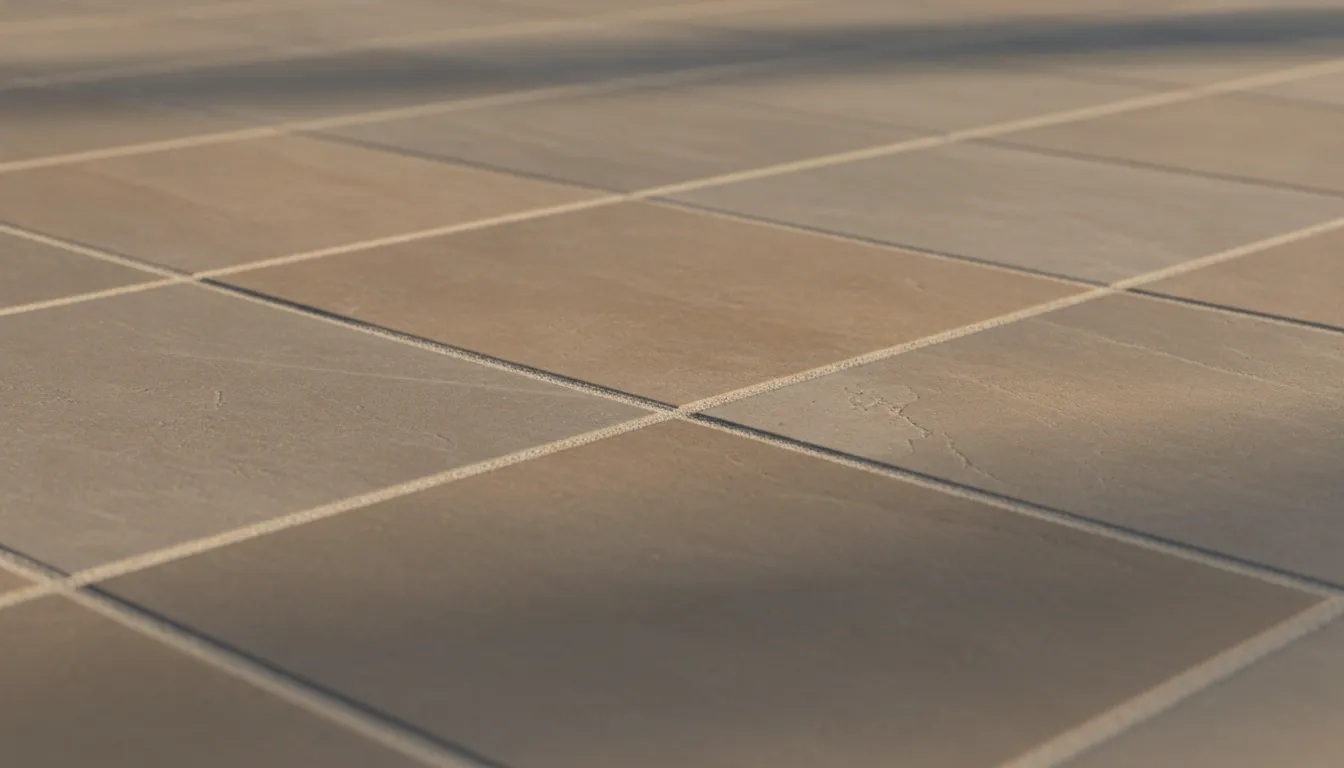
Florida sunlight can expose outdoor materials to prolonged UV radiation. Porcelain pavers are resistant to fading, helping their color remain consistent through sunny seasons. Their surface also stays relatively cool to the touch compared with concrete in hot conditions, which can make a patio more comfortable for bare feet and everyday gatherings.
During heavy rain, the patio's sand-set installation supports drainage and flexibility. Water can move through the planned paving system instead of collecting on a rigid surface, provided the base, slope, and joints are prepared correctly. The result is a surface that is easier to live with after tropical downpours, while the pavers themselves continue to provide a stable, slip-resistant walking area.
Start by sweeping regularly to remove sand, leaves, and loose debris. Rinse the patio when dust, pollen, or salt residue builds up. Address spills promptly with an appropriate mild cleaner and follow the product-specific care guidance. Avoid treating the patio as maintenance-free: good drainage, prompt cleanup, and periodic inspection of joints all contribute to long-term performance.
The bottom line: A porcelain patio suits Florida because its non-porous structure resists water absorption, mold, algae, and staining, while its fade resistance and cool feel support comfortable outdoor use. With sand-set drainage and simple routine cleaning, homeowners can spend less time maintaining the patio and more time enjoying it.
For many Florida patios, the value of porcelain comes from what happens after installation. A well-planned patio should continue to look inviting without demanding a long list of recurring maintenance tasks. Porcelain pavers offer a durable, low-maintenance surface that supports comfortable outdoor living while reducing the upkeep associated with more absorbent materials.
Porcelain's low water absorption helps limit the conditions that allow mold and algae to become persistent problems in a humid climate. The surface is also highly resistant to staining and fading, which can help a patio maintain a consistent appearance through daily use, strong sun, and outdoor entertaining. That matters in places such as Jupiter, Boca Raton, and Fort Myers, where patios are exposed to heat, humidity, salt air, and frequent seasonal use.
Maintenance is another important part of the value equation. Porcelain pavers generally do not need sealing, so homeowners can avoid adding a recurring sealing step to their patio care routine. Routine cleaning can focus on removing surface dirt and spills rather than restoring a protective treatment. For a closer look at practical upkeep, see how to clean and maintain porcelain pavers.
Durability also influences long-term value. Porcelain is engineered for demanding exterior applications and provides a stable, resilient surface when the appropriate paver thickness and sand-set installation method are selected for the project. That makes it a practical choice for patios that need to accommodate furniture, gatherings, foot traffic, and the changing conditions of outdoor life. Proper planning is essential because the right product depends on the application, base conditions, drainage, and design.
A thoughtfully designed porcelain patio may also strengthen a property's overall appeal. Clean layouts, coordinated colors, and a material that remains easy to care for can make an outdoor space feel more like a purposeful extension of the home. Resale value is never guaranteed, but buyers often respond positively to outdoor improvements that combine visual quality with straightforward ownership.
Because site conditions and product requirements vary, the best way to evaluate an investment is with a project-specific recommendation rather than a generic price comparison. Request a site-specific quote from Hardscape.com to review suitable porcelain pavers, installation considerations, and the expected maintenance profile for your patio.
The bottom line: Porcelain patio pavers can be worth the investment in Florida when you value lasting performance, less maintenance, no routine sealing, and strong design appeal. The right product and installation plan can deliver lower lifetime upkeep without sacrificing the character of the space.
Talk to a porcelain paver specialist about your patio project.
Porcelain pavers require careful product selection and professional preparation because thickness, base conditions, drainage, and layout all affect the finished patio. They can also involve a higher initial investment than some basic paving options. Evaluate long-term maintenance, design goals, and site conditions rather than comparing purchase price alone.
No. Porcelain patio pavers should be installed using a sand-set method. This approach supports proper drainage and allows the paving system to accommodate normal movement while maintaining a stable surface. A qualified installer can confirm the appropriate base preparation for your site and intended use.
There is no universal answer because project cost depends on the selected product, site preparation, access, labor, drainage, and layout. Instead of relying on a generic price range, request a site-specific quote. Also consider the potential value of stain resistance, low maintenance, and reduced sealing requirements over time.
The better choice depends on the design and performance priorities of the project. Porcelain is non-porous, so it does not absorb water and is resistant to mold and algae in humid Florida conditions. It is also stable and slip-resistant, making it well suited to patios and poolside areas.
Routine maintenance is generally straightforward: sweep away debris, rinse the surface, and address spills promptly with appropriate cleaning methods. Because porcelain is stain-resistant and non-porous, it does not require the same sealing routine associated with some natural stone installations. Follow product-specific care guidance for best results.
Choosing the right material is only the first step. Hardscape.com offers an extensive range of premium porcelain pavers for patios, backed by consultative guidance from design through sand-set installation. Whether you are planning a poolside retreat, an outdoor kitchen floor, or a shaded lounge. The team can help you select sizes, patterns, and colors that fit your Florida home and your budget.
Order samples, visit one of the Florida showrooms, or talk to a porcelain paver specialist to get a site-specific quote for your project.
Contact Hardscape.com to get started on your porcelain patio.