24 Oct
A cracked walkway covered in slick green algae ruins the curb appeal of any home. This common sight occurs when soft paving materials absorb rainwater and decay over time. Homeowners can avoid constant repairs by choosing durable outdoor pavers that resist weather damage.
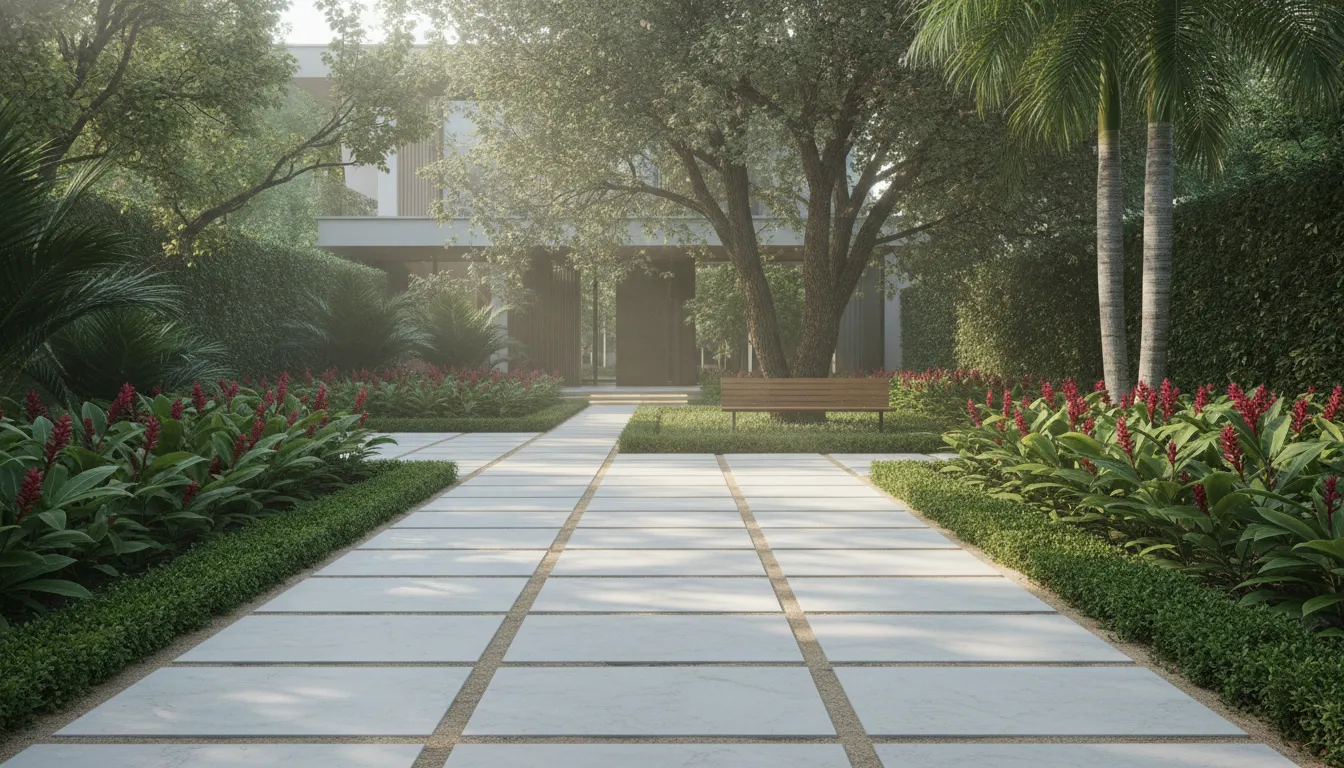
Porcelain paver walkways provide Florida homeowners with a highly durable, low-maintenance, and slip-resistant option for outdoor garden paths. These modern paths mimic the rich look of natural stone while resisting strong heat, deep stains, and sun fading without any sealing. Premium outdoor porcelain resists severe weather and stands up to heavy daily foot traffic. Because the material absorbs almost zero water, it will not crack during temperature shifts or breed slick green mold in damp shade. You can install these lightweight tiles using a simple sand-set method that allows for flexible ground movement without the need for messy mortar beds. This sand-set design keeps your pathways stable and level for fifty years while requiring only a swift garden hose rinse to remain clean.
Designing a new garden path often brings up many questions about material costs, long-term care, and durability. To help you make the best decision when choosing premium outdoor paving, we will start with what makes a porcelain paver walkway a smart choice.
Ready to get started? Contact Hardscape.com today for a free consultation and to order complimentary porcelain paver samples for your walkway.
When you plan a path for your home, you want a material that lasts. High-end porcelain paver walkways are a top choice. They are fired at very high heat to make them dense and strong. This process makes them frost-resistant and easy to clean. Unlike other stone, they can handle heavy foot traffic for decades.
Heavy foot traffic is no match for these dense materials. Traditional path stones can crack or wear down when people walk on them a lot. These pavers are built to stay strong under heavy loads. Because of this high strength, they are ideal for busy paths, front entries, and garden walks.
These pavers can withstand very harsh weather without cracking. This makes them a great, low-care choice for outdoor patios and walkways. You will not have to seal the stone each year. They save you time and money. Homeowners in wet or dry areas can rely on this tough material.
Water can ruin many path materials over time. Natural stone often sucks in water, which can make it very slippery. In contrast, outdoor porcelain has high resistance to water absorption. It absorbs almost no water at all. This means moss, mold, and stains cannot take root on your path.
The bright sun can also fade outdoor stones. These pavers are highly resistant to fading. Their deep color and unique design stay bright even under the direct hot sun. This makes them perfect for sunny climates like Florida. If you want to shop porcelain pavers, you will find a wide range of colors that stay beautiful. Choosing durable porcelain pavers ensures your path keeps its appeal for decades.
To make sure your path stays flat, a proper setup is key. These pavers work best with a sand-set layout. This system uses a bed of damp sand that is packed down tight. Workers need about five to six percent moisture in the sand bed. This dampness helps to form a flat, level bed for laying each tile.
A sand-set system also allows for good drainage. When heavy rains hit, water can drain down through the joints into the earth. This prevents pools of water from forming on top of the tiles. Your path stays dry, safe, and stable even after a big storm.
The bottom line: A sand-set path made with these durable pavers is a great long-term choice. These pavers resist water, sun, mold, and stains. They will last for over fifty years without the need for sealers. This means you get a strong, safe, and beautiful walkway with very little hard work.
Creating a beautiful path is about both look and function. Modern porcelain paver walkways offer a clean, lasting option for your yard. These paths guide guests through your lawn while adding style. Porcelain pavers made to look like natural stone offer high durability. This makes them a great pick for garden paths and walkways.
Linear layouts work best when you want to highlight clean lines. A popular design is the running bond pattern, where joints are offset in each row. This style makes small spaces look longer. It draws the eye forward as you walk. You can use neutral colors like gray or charcoal to match your home. If you want a more formal style, a stack bond layout aligns all joints perfectly. This grid look brings a sleek, modern touch to any modern home in south Florida.
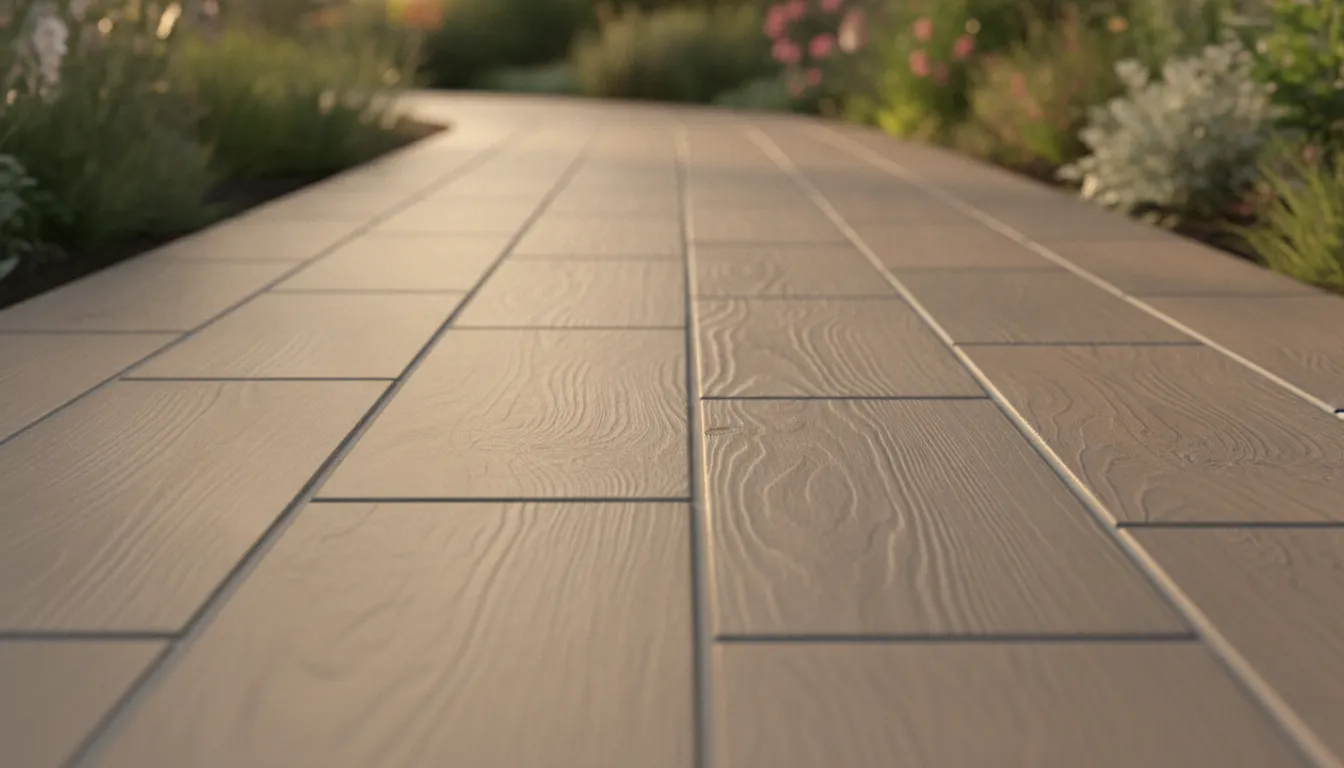
For a more casual garden vibe, you can space out the pavers to form a casual path. Stepping stones are great for pathways that wind through garden beds. This style lets turf or ground cover grow between the stones. It creates a soft, organic look that blends with nature. You can walk through your garden while keeping your feet off the wet grass. The spacing can be customized to match your normal walking stride.
If you want a natural feel, look for unglazed porcelain pavers. Unglazed porcelain tiles give a natural look and the non-slip grip you need for outdoor pathways. You can learn more in our porcelain stepping stones guide to plan your layout. These products look like natural stone but do not crack from root growth or heavy rain.
Large-format slabs are great for a clean, minimalist design. These large squares make a bold statement. They work well for modern homes in Florida towns like Jupiter and Boca Raton. But they must be set up on flat, level ground. Placing large slabs on a slope can lead to shifting over time. Using them only on flat surfaces ensures a safe, uniform path.
Guidelines from Michigan State University suggest that large tiles should be limited to flat areas. This helps keep the path strong and prevents uneven edges. Framing these paths with low plants can also make the pathway look stunning. You can use ground cover like dwarf mondo grass to border the stones. This keeps the soil in place and highlights the clean borders of the path.
The bottom line: Planning a walkway layout is easy with versatile porcelain options. Whether you want a clean running bond, a relaxed garden path, or large-format slabs, these materials deliver durability and style. Choose unglazed textures for safety, and keep large slabs on flat ground for a lasting path.
When you plan sand-set porcelain paver walkways, you should compare your options, as each material performs in its own way. Some materials hold up well to weather, while others break down fast. Let us look at how porcelain compares to natural stone, concrete, brick, and gravel.
Many natural stone options soak up water, which can lead to cracks during cold winter freezes. In contrast, porcelain tile resists moisture and does not absorb water because it is fired at high heat. This process makes the tile dense and tough, which keeps water out and prevents cracking in cold weather.
Concrete pavers also soak up water, and salt or freeze cycles wear down concrete paths over time. This wear causes the paths to crumble and lose their color, making them look old. Gravel walkways do not absorb water, but the loose stones shift and heavy rain can wash gravel away. This shifting ruins your path, while traditional brick is prone to chipping and green moss growth in damp spots.
Caring for an outdoor walkway can take a lot of work, since stone and concrete paths need sealer every few years. If you do not seal them, oil and dirt will leave bad stains that are hard to clean. Weeds also grow in the joints between concrete blocks, so you must pull or spray them often to keep the path clean.
Porcelain walkways do not need sealers because their non-porous surface stops stains from sinking in. If dirt or mud gets on the pavers, you can simply wash them off with a quick spray of water. With durable porcelain pavers, a light washing now and then keeps them looking new. Traditional brick needs regular scrubbing to remove moss, and loose gravel paths need raking and fresh stone each year.
Safety is a big concern for walkways, but smooth stone and concrete can get slick when wet. This slickness poses a risk when rain falls, but porcelain pavers have a textured surface to help prevent slips. They are designed to meet high safety standards, and this texture provides a secure grip for your feet.
Looks also matter for home style, but natural stone varies a lot in color and makes matching hard. Concrete pavers fade when exposed to direct sun, while porcelain pavers keep a steady look. You can find porcelain pavers that mimic natural stone, and they will not fade under the sun. If you are designing durable garden paths, porcelain is a great option that holds its value.
| Walkway Property | Porcelain Pavers | Natural Stone | Concrete Pavers | Gravel and Brick |
|---|---|---|---|---|
| Durability | Extremely high; will not fade or crack. | High, but prone to splitting or weathering. | Moderate; wears down and fades over time. | Low to moderate; shifts and breaks easily. |
| Moisture Resistance | Zero water absorption; frost resistant. | Porous; absorbs water and cracks in cold. | Porous; absorbs water and stains easily. | High drainage, but brick absorbs water. |
| Maintenance | Zero sealing; easy wash with water. | Requires regular sealing to prevent stains. | Needs periodic sealing and weed removal. | Requires weeding, raking, and replenishing. |
| Slip Safety | Excellent slip resistance; textured. | Slippery when wet or mossy. | Slippery when wet or when algae grows. | Loose gravel slides; wet brick can slip. |
| Aesthetic Consistency | Perfect match across all units. | Highly variable; hard to match. | Fades and changes color under the sun. | Variable color and messy boundaries. |
The bottom line: Porcelain pavers are the best option for long-term walkways. They beat natural stone and concrete on safety, ease of care, and strength. Their low water intake stops cracking in cold weather and keeps them from getting slick. If you want a path that stays bright and does not stain, porcelain is the clear winner.
The size of your pavers sets the look of your path. Large slabs, such as 24-by-24-inch or 24-by-48-inch options, create a clean, modern style with fewer joint lines. Standards from Michigan State University suggest that you limit large tiles to flat, level areas. This keeps the base stable. If your yard has slopes or dips, large slabs may wobble or become rough over time.
For paths with twists and turns, mid-size modular pavers work best. Common sizes like 12-by-24 inches fit many designs. These smaller units let you follow soft curves without cutting too many edges. This saves time when you lay them. If you want a casual path through a lawn, think of porcelain stepping stones. A standard 14-by-16-inch format works great for a simple path through grass or gravel.
Laying patterns change how we see a space. A running bond pattern is a classic choice where each joint is offset by half a paver. You can lay them along the path or across it. Laying them across the path makes a narrow walkway feel wider. This layout makes walkways feel longer and guides the eye forward along the path. A straight stack pattern aligns all joint lines to create a neat grid. This modern style looks best when you use our porcelain pavers. It highlights the precise shape of each unit.
For spaces with high traffic, a herringbone pattern works well. Placing rectangular units at 45-degree or 90-degree angles locks them tight to stop shifting. This layout looks very dynamic and draws attention to the ground. It is great for focal areas in your garden. To keep your layout neat, you must set the correct joint width. Standard rules from Michigan State University suggest a 1/8-inch joint width for porcelain ceramic tile. Using plastic spacers helps maintain this even spacing. This protects the edges from touching.
Your layout choice should match your home style. Clean, straight lines fit modern yards, while curved patterns suit classic gardens. When you design porcelain paver walkways, think about how the path flows through your yard. Consider the width of the path and the stride of your guests. Good planning keeps your path safe and lovely for years.
The bottom line: Use large slabs on flat areas for modern appeal. Choose smaller pavers or stepping stones for curves and garden paths. Keep joints at 1/8 inch to ensure a stable, safe walk.
Building a path with porcelain requires care and skill. A strong path depends on a dry-laid sand-set system. This method is the best way to install porcelain paver walkways because it lets water drain with ease. You should know how this works, but hiring a pro is often the best choice for these tasks.
Every long-lasting walkway starts deep in the ground. First, you must dig out the soil to make room for a base of crushed stone. After packing the gravel tight, you spread a smooth sand bed on top. This sand course acts as the final cushion for your pavers.
The moisture in this sand layer is key for a strong base. As shown in a city project document, the sand bed should have about five to six percent moisture. This exact wetness makes it easy to smooth out the sand. It helps you set up a flat, even surface for laying your stones.
Installing porcelain is a precise task. You must follow these steps to get a clean, level path that will not shift or crack under foot traffic.
Using the right tools is key when laying these paths. You must never let the tiles touch each other, or their edges will chip and break. Using plastic spacers is the best way to keep a safe gap between each tile. You can find detailed installation tips on how spacers keep the joints straight and protect your stones.
Handling loose stones is also a risk. They are strong once set, but they can chip if they bump together before you lay them. Using clamps helps you lift and place each tile with ease. This is why most projects need a skilled hand to get a perfect look.
The bottom line: Laying porcelain paver walkways requires a precise sand-set process. You must use proper tools like wet-cut saws and plastic spacers to protect the edges. While some people try to do this themselves, hiring a skilled contractor ensures a flat path with zero cracked tiles.
While many outdoor paths need constant sealing and scrubbing, porcelain paver walkways need very little work. Because they do not absorb water, they do not stain or grow mold fast. You do not need to apply harsh sealers to keep them bright. With just a bit of routine care, these paths will look great for years.
Taking care of porcelain paver walkways is much easier than caring for concrete or wood. Most of your work is just sweeping away loose dirt, leaves, and twigs. To clean off dust or mud, simply rinse the path with a garden hose. For tough spots, mild dish soap and warm water are enough to clear away dirt.
While the pavers themselves are very strong, the joints between them need some attention. For a sand-set base, you will use polymeric sand to fill the spaces. As shown in Fairfax City guidelines, polymeric sand is a polymer blend that hardens when wet. Simply sweep this dry sand into the open joints until they are filled, then mist with water to lock the pavers in place.
Before you apply water, you must remove all excess sand and dust from the paver surface. Using a blower for final dust cleanup is the best way to clear the path. If you leave loose sand on top of the pavers, it can cause ugly stains once it gets wet. For details on how to set up the path, you can read our guide on installation tips for your walkway.
Filling your walkway joints is not just about keeping the pavers in place; it also serves as a strong shield. Weeds often grow in damp spaces between concrete pavers, but polymeric sand stops this issue. The tight seal stops plant growth and blocks insects from digging into the joints. This means you will spend less time pulling weeds and more time using your outdoor space.
If you want to plan your next home project, we invite you to view our products. You can shop porcelain pavers online, order a planning guide, or visit our showrooms in Jupiter, Boca Raton, and Fort Myers. Our team is ready to help you pick the best pavers and give you a free quote. We can also be reached at 561-998-5000 if you have any questions.
The bottom line: Porcelain paver walkways offer a very strong path that needs almost no work to keep clean. Because you never have to seal this stone-like material, your main tasks are simple sweeping and checking the joint sand once a year.
Ready to plan your project? Explore our porcelain pavers online and request a free quote from our Jupiter, Boca Raton, or Fort Myers team.
No. High-quality outdoor porcelain pavers have a textured surface that prevents slipping. For outdoor walkway surfaces, experts at Michigan State University advise selecting products with a minimum static coefficient of friction of 0.6. This texture makes them safe for garden paths in heavy rain.
No. You should not run a heavy plate compactor directly on porcelain. Doing so can chip or crack the edges of the pavers. According to city guidelines from Fairfax, Virginia, workers should avoid these machines on porcelain surfaces. Instead, compact the sand base before you lay the pavers.
No. These pavers keep their bright look for decades. Outdoor porcelain resists fading over decades of direct sun. The colors and patterns stay rich and vibrant even under direct sun. If you want a lasting path, browse porcelain pavers to find the right style for your home.
Yes. Using porcelain pavers as separate stepping stones is a great way to build a garden path. They sit well in turf, gravel, or soil. For layout ideas, read our guide on how to plan paths with porcelain stepping stones to make your yard look stunning.
Leaving your garden paths and outdoor walkways unpaved can lead to muddy pooling and slippery surfaces during Florida rainstorms. Planning your project now ensures that your outdoor space is ready to use before the busy season begins. Installing low-maintenance porcelain pavers means you will never have to spend your weekends sealing or scrubbing away moss. Our local team in Jupiter, Boca Raton, and Fort Myers is ready to help you plan the perfect design for your home. Call us at 561-998-5000 today to talk with a local expert about your outdoor paving plans.
Ready to build? Contact Hardscape.com to order complementary porcelain paver samples and start planning your walkway with the Hardscape.com team.