4 Aug
A garden path should be a charming feature, but traditional materials often create more work than they're worth. Concrete cracks, natural stone gets slippery with algae, and weeds constantly push through the gaps. It can feel like a never-ending cycle of cleaning, sealing, and leveling. What if you could have a beautiful, functional walkway without all the hassle? That’s where porcelain stepping stones come in. They offer a modern solution engineered for incredible durability and almost zero upkeep. This guide will walk you through everything you need to know about choosing, installing, and maintaining these game-changing pavers for a flawless path you’ll enjoy for years.
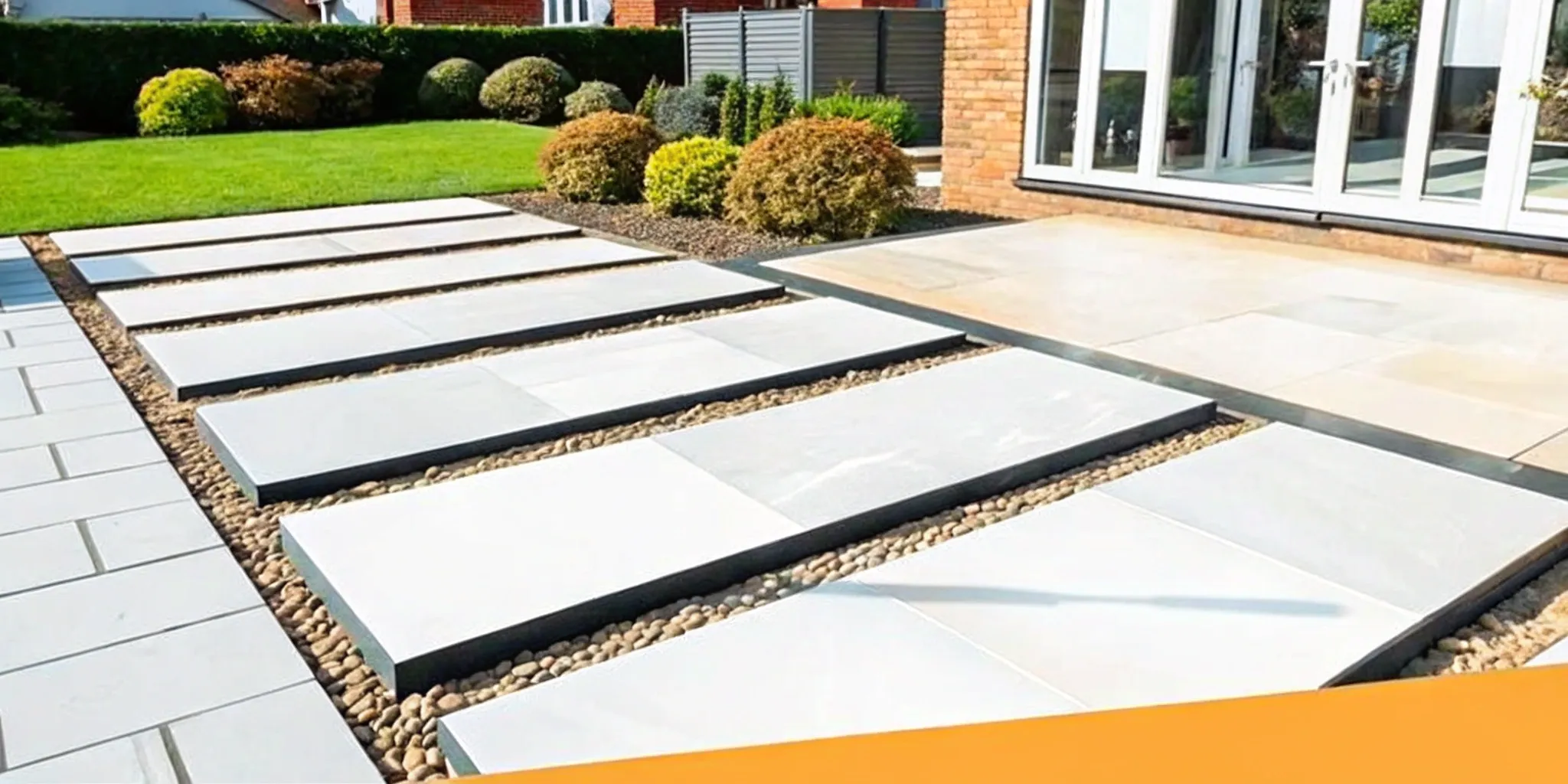
If you're picturing a charming, winding path through a garden or a modern walkway to your front door, you're on the right track. Porcelain stepping stones are individual pavers designed to create beautiful, functional walkways across lawns, gardens, and other landscaped areas. Think of them as the perfect blend of practicality and style. Unlike a solid, continuous patio, stepping stones create a more organic, integrated look that works with your landscape instead of covering it up. They offer a durable, stylish, and low-maintenance alternative to traditional materials like concrete or natural stone, giving you a high-end look without the constant upkeep.
So, what exactly makes porcelain so special? It all comes down to how it’s made. Porcelain is a type of ceramic crafted from a refined blend of clay, sand, and other natural minerals. This mixture is pressed and then fired at extremely high temperatures, creating a tile that is incredibly dense and strong. The most significant benefit of this process is that porcelain has a very low water absorption rate. This means our stepping stones won't soak up moisture, making them resistant to stains, mold, and mildew, which is a huge advantage in humid climates like Florida. This dense composition also makes them tough enough to handle plenty of foot traffic on a daily basis.
This is where the fun really begins. Porcelain stepping stones offer incredible design flexibility. Thanks to modern manufacturing, they can perfectly replicate the look of natural materials like slate, travertine, or wood, but without the associated maintenance headaches. You can find them in a huge range of colors, textures, and finishes to match any home’s exterior. Many designs feature an irregular, organic shape that helps create a more natural-looking path through your yard. Whether you’re aiming for a sleek, contemporary walkway or a rustic garden trail, there are new designs and sizes that will fit your vision perfectly.
When you're planning a new walkway or garden path, you have plenty of traditional materials to consider, like natural stone, concrete, or even wood. While these have been go-to options for years, they often come with a list of chores: sealing, staining, and worrying about cracks or algae, especially in Florida's humid climate. Porcelain offers a modern alternative that combines stunning looks with practical performance. It’s engineered to solve these common problems, giving you a beautiful surface without the constant upkeep.
Choosing porcelain isn't just about getting a beautiful pathway; it's about investing in a long-lasting, low-stress solution for your outdoor space. It stands up to heavy foot traffic, harsh weather, and everyday spills with an ease that traditional materials just can't match. Think of it as the best of both worlds: the timeless beauty of natural stone with the strength and resilience of a high-tech material. This means you get a walkway that not only looks incredible but also frees up your time and budget from ongoing maintenance costs. Let's walk through the specific advantages that make porcelain stepping stones a superior choice for homeowners and designers who value both style and substance. From their incredible resilience to their design flexibility, you'll see why they stand out from the crowd.
Porcelain is built to last. Unlike porous materials like concrete or certain natural stones that can absorb water, leading to cracks in cold weather or algae growth in humid climates, porcelain is incredibly dense. This means it’s naturally resistant to frost, stains, and scratches. Your stepping stones porcelain will look just as good years from now as they did on day one, holding up beautifully against heavy foot traffic and the intense Florida sun and rain. This inherent toughness means you can spend less time worrying about wear and tear and more time enjoying your beautiful outdoor area.
If you’d rather spend your weekends relaxing than performing yard work, porcelain is the material for you. One of its biggest perks is how little maintenance it requires. Porcelain pavers are UV resistant, so their color won't fade over time, even in direct sunlight. Better yet, they never need sealing to protect them from stains or moisture. A simple sweep and an occasional wash-down with water and a mild cleaner are all it takes to keep them looking pristine. This saves you time, money, and effort compared to wood that needs regular staining or natural stone that requires periodic sealing.
Safety is always a top priority for any outdoor surface, especially for pathways that get wet from rain or sprinklers. Porcelain stepping stones are designed with this in mind. They are manufactured with a textured, non-slip finish that provides reliable traction underfoot, helping to prevent accidental slips and falls. This makes them an excellent and safe choice for garden paths, walkways around pools, and any area where you want extra peace of mind. You can create a secure and stylish walkway for your family and guests without compromising on aesthetics.
With porcelain, you don't have to choose between beauty and performance. Thanks to advanced manufacturing technology, porcelain pavers can replicate the elegant look of natural materials like slate, travertine, or even wood, but without any of the drawbacks. They come in a vast array of colors, textures, and sizes, giving you complete creative freedom. Whether you want a sleek, modern path or a rustic, natural-looking trail, you can find new porcelain paver designs to match your vision perfectly. This versatility allows you to achieve a high-end, custom look that complements your home and landscape design.
When you’re planning a new garden path or patio, the budget is always a top consideration. It’s easy to focus on the price per stone, but the total cost of a project involves more than just the materials. You also need to account for installation, labor, and any necessary tools or supplies. While porcelain stepping stones can have a higher upfront cost compared to materials like concrete or some natural stones, their long-term value often makes them the more economical choice.
Thinking about the total investment helps you see the bigger picture. A lower-cost material might save you money initially, but if it requires frequent sealing, repairs, or a full replacement in a few years, those savings disappear quickly. Porcelain, on the other hand, is built to last. Its durability and minimal maintenance needs mean you spend less time and money on upkeep down the road. This section will walk you through the different cost factors so you can create a realistic budget and understand the incredible value porcelain offers over its entire lifespan.
The price of porcelain stepping stones typically depends on their size, thickness, and design intricacy. You can generally expect the material cost to be in a similar range to high-quality porcelain pavers. More complex patterns, unique textures, or larger format stones might sit at the higher end of the price spectrum. When you start shopping, you’ll find a wide variety of beautiful porcelain stepping stones to fit different styles and budgets. It’s a good idea to measure your intended pathway or area first to get an accurate estimate of how many stones you’ll need for your project.
Installation is another key part of your budget. If you hire a professional, labor costs can vary based on your location and the complexity of the job, such as the amount of ground preparation required. For a DIY project, you’ll save on labor but will need to budget for materials like a proper base, sand, and other essential installation accessories. Whether you’re doing it yourself or hiring a contractor, a solid foundation is crucial for ensuring your stepping stones remain stable and level for years to come. Don’t forget to factor in the cost of renting any specialized tools you might need.
Here’s where porcelain really shines. While the initial investment might be higher, the long-term savings are significant. Porcelain is nonporous, meaning it has a very low water absorption rate. You won’t have to spend money on sealants to protect it from stains or water damage. Its incredible durability also means it resists scratches, chips, and fading from the sun. Over the years, you’ll save a considerable amount on the maintenance and cleaning products required by other materials like natural stone or wood. This resilience makes porcelain a smart investment that pays for itself through minimal upkeep and lasting beauty.
Once you’ve picked out the perfect porcelain stepping stones, the next step is getting them into your landscape. The great news is that installing them is a manageable project, whether you’re a seasoned DIYer or prefer to hire a professional. The right approach depends on your project's complexity and your comfort level with hands-on work.
Laying porcelain pavers directly onto grass is a popular and straightforward method for creating a beautiful garden path or walkway. It involves a few key steps to ensure the stones are stable, level, and seamlessly integrated into your lawn. Below, we’ll walk through the DIY process, discuss when it might be better to call in an expert, and cover how to handle common installation challenges. With a little planning, you can achieve a professional-looking result that enhances your outdoor space for years to come.
Creating a charming pathway with porcelain stepping stones is a fantastic weekend project. Here’s a simple guide to get you started. First, plan your layout. Place the stones on the grass exactly where you want them to go, adjusting the spacing until it looks just right. This helps you visualize the final path and confirm you have enough stones.
Next, trace around each paver with a spade or knife. Move the stone aside and remove the grass and a shallow layer of soil from inside the outline. For the stones to be stable, you need to create a solid, level base. Add a thin layer of sand or fine gravel to the excavated area, compact it, and make sure it’s level. Finally, place your stepping stone into the space, pressing it down firmly. Check that it’s level with the surrounding lawn to prevent tripping and protect your lawnmower.
While a simple stepping stone path is a great DIY project, some situations benefit from a professional touch. If your project involves a large area, a complex pattern, or significant grading on a sloped yard, hiring an experienced contractor is a smart move. Professionals have the equipment and expertise to ensure proper site preparation and drainage, which are key to a long-lasting installation.
Another reason to call a pro is if you need to match new pavers to an existing layout. Fitting a new piece seamlessly can be tricky, and an expert can handle the precise cutting and placement required. Ultimately, if you’re short on time or aren’t comfortable with the physical labor involved, a professional installer will get the job done efficiently and correctly, giving you peace of mind and a flawless finish.
Even with careful planning, you might run into a few snags during installation. One of the most common issues is wobbly stones. This is almost always caused by an unstable base. To fix it, lift the paver and make sure the ground beneath is firm and level. Removing the grass and a bit of soil before adding a compacted layer of sand is the best way to ensure your stones won’t shift over time.
Another hurdle is getting the pavers perfectly level with the lawn. If a stone sits too high, it becomes a tripping hazard. If it’s too low, it can get covered by grass. The solution is to carefully manage the depth of your excavation and the amount of base material you add, checking the level frequently as you work. Taking the time to plan your layout beforehand also prevents spacing issues, ensuring your path looks intentional and well-designed.
One of the best things about choosing porcelain for your pathways is how little work it takes to keep them looking brand new. Unlike natural stone that needs regular sealing and special care, porcelain is built to withstand the elements with minimal fuss. A little bit of routine attention is all it takes to preserve their beauty for years. Think of it less as a chore and more as a quick touch-up to keep your outdoor space looking its best. With just a few simple steps, you can handle everything from daily dust to seasonal check-ups, ensuring your stepping stones remain a stunning feature of your landscape.
Keeping your porcelain stepping stones clean is incredibly straightforward. For daily upkeep, a simple sweep with a broom is usually all you need to clear away leaves, dust, and other surface debris. This quick task prevents dirt from building up and keeps your pathway looking tidy.
For a more thorough clean, especially after a storm or if you notice some dried-on dirt, just use a mix of mild detergent and warm water. Gently scrub the surface with a soft-bristled brush, then rinse the area completely with clean water from a hose. Let it air dry, and you’re done. There’s no need for harsh pressure washing, which can sometimes damage the joints between stones.
Because porcelain is non-porous, it’s naturally resistant to stains. Spills from things like wine, grease, or moss tend to sit on the surface instead of soaking in. The key is to clean them up promptly. Most of the time, you can wipe away a spill with a damp cloth and a bit of mild soap.
If you encounter a tougher spot, like rust or a set-in grease stain, it’s important to use the right cleaner. Always opt for a pH-neutral cleaning solution specifically designed for porcelain. Avoid using acidic cleaners like vinegar or harsh chemicals, as they can damage the surface finish over time. Using the proper cleaning products ensures you remove the stain without harming the stone.
A couple of times a year, it’s a good idea to give your stepping stone path a quick inspection. Check to see if any stones have shifted or become uneven. Also, look at the joints between the stones. If you notice gaps or weeds starting to appear, you may need to reapply a jointing compound like polymeric sand to keep everything stable and secure.
Porcelain is extremely durable, so cracks and chips are rare. However, if a stone does get damaged from a heavy impact, you’ll want to replace it. This is why I always recommend ordering a few extra stones with your initial purchase. Having spares on hand makes it much easier to find a perfect match for your existing layout.
Picking the perfect stepping stones is about more than just finding a pretty design. You need to think about how they’ll fit into your space, what kind of foot traffic they’ll see, and how they’ll hold up to the local weather. It’s a balance of practicality and personal style. By considering a few key factors like size, design trends, and your specific climate, you can choose stones that not only look fantastic but also perform beautifully for years. Let’s walk through what you need to know to make a confident choice for your outdoor pathway or garden.
The dimensions of your stepping stones play a huge role in both their look and function. The size will define the visual rhythm of your path, while the thickness is all about durability. For most garden paths and walkways, a thickness of around 1.18 inches (or 3cm) offers a great balance of strength and manageability during installation. Hardscape’s 3CM Porcelain Pavers are a perfect example of this versatile option. If you’re planning a path that needs to withstand heavier loads or more frequent use, you might consider even thicker options for added peace of mind. Think about the scale of your yard and the purpose of the path to find the dimensions that feel just right.
Porcelain is a favorite among landscape designers right now, and for good reason. It offers a clean, contemporary look that complements modern homes. A major trend is creating a cohesive outdoor space by using porcelain for both patios and finer details, like path borders or pool coping. You can also embrace a more minimalist aesthetic with simple, light-colored pavers that make your greenery pop. When choosing a style, look at your home’s exterior and existing landscape. The goal is to select stepping stones porcelain that feels like a natural extension of your personal style, creating a seamless flow from your indoor to your outdoor living areas.
Here in Florida, we know a thing or two about sun and rain. Your stepping stones need to handle both without becoming faded, slippery, or stained. This is where porcelain truly shines. Because it’s non-porous, it doesn’t absorb much water, making it an excellent choice for pool decks, patios, and any high-traffic area that gets a lot of rain. This quality also helps it resist mold and mildew. While proper installation is key to preventing any issues down the line, choosing a material designed to withstand our humid climate gives you a significant head start. You can enjoy a beautiful, safe path without worrying about constant upkeep.
Finding the right stepping stones for your project means looking for a supplier who prioritizes quality, durability, and design. You want a product that not only looks great on day one but also holds up beautifully through years of Florida sunshine and rain. It’s about finding a partner who offers innovative solutions that blend modern aesthetics with practical, low-maintenance living. When you start your search, focus on companies that specialize in high-grade porcelain and offer a variety of styles to match your vision, ensuring your new pathway is both stunning and strong.
When it comes to quality and innovation, we’ve designed our products to stand out. We focus on creating unique stepping stones porcelain that offers the perfect blend of natural stone beauty and advanced porcelain technology. Our collection features a range of sizes, textures, and colors designed to create sleek, modern pathways that require minimal upkeep. We are always developing new designs and sizes, pushing the boundaries of what outdoor pavers can be. This commitment means you get a product that is not only stylish but also engineered for superior strength and longevity in any outdoor setting.
As you browse different options, it’s helpful to compare a few key features. Look closely at durability, maintenance needs, and overall appearance. While traditional concrete pavers are durable, porcelain offers a sleek, non-porous surface that resists stains, mold, and fading without needing to be sealed. Pay attention to the thickness of the paver, as this impacts its strength and installation method. For example, our 2CM porcelain pavers provide excellent durability for standard pedestrian pathways. Considering these factors will help you choose a stepping stone that fits both your aesthetic goals and your lifestyle.
Ultimately, the perfect choice comes down to your personal style and the specific needs of your space. Think about the overall look you want to achieve. Are you drawn to large, geometric shapes for a contemporary feel, or do you prefer the classic look of porcelain cobblestone for a more traditional path? Consider the scale of your garden and how the size of the stones will complement the surrounding landscape. By balancing current design trends with timeless appeal, you can create a functional and inviting pathway that you’ll love for years to come.
How do I make sure my stepping stones don't wobble or sink over time? The secret to stable, long-lasting stepping stones is a solid base. While it might be tempting to just place them on top of the grass, taking the time to prepare the ground underneath makes all the difference. By removing the sod and a shallow layer of soil, then adding and compacting a layer of sand, you create a firm, level foundation that prevents the stones from shifting or sinking, even with regular foot traffic.
Are porcelain stepping stones slippery when they get wet? This is a great question, especially for those of us in rainy climates. Safety is a top priority, which is why our porcelain stepping stones are manufactured with a textured, slip-resistant finish. This design provides excellent traction, even after a downpour or near a sprinkler, giving you peace of mind when walking through your garden or yard.
Will the intense Florida sun make the color of my stepping stones fade? No, you don't have to worry about fading. Porcelain is UV resistant, which means its color is baked in during the high-temperature firing process. Unlike stained concrete or certain natural stones that can lose their vibrancy over time, your porcelain stepping stones will maintain their rich, beautiful color for years, even when exposed to direct, intense sunlight.
I've seen cheaper options like concrete pavers. Why is porcelain worth the investment? While porcelain can have a higher upfront cost, it saves you significant time and money in the long run. Materials like concrete or natural stone often require regular, costly sealing to protect them from stains and moisture. Porcelain is naturally non-porous, so it never needs sealing. Its incredible durability also means you won't be spending money on repairs or replacements, making it a smarter, lower-maintenance investment for your home.
Can I use these stepping stones for a path around my pool? Absolutely. Porcelain is an ideal choice for poolside areas. Because it absorbs very little water, it stands up perfectly to splashes and resists stains from pool chemicals and sunscreen. Plus, its built-in slip-resistant texture makes it a much safer option for wet feet than many other surfaces, allowing you to create a cohesive and secure path from your patio to your pool.