18 Jun
Living in Florida means embracing the outdoor lifestyle, but it also means choosing materials that can handle our unique climate. The relentless sun, high humidity, and seasonal downpours can quickly ruin a beautiful wood deck or stain a porous stone patio. You need a solution that’s as resilient as it is beautiful. Enter porcelain pavers flooring, a material practically tailor-made for Florida living. It’s engineered to resist fading from UV rays, prevent mold and mildew growth in our humid air, and provide a safe, slip-resistant surface around the pool. This article will explain exactly how porcelain stands up to the elements, making it the ultimate worry-free choice for a stunning and durable outdoor oasis.
If you’ve ever admired a beautifully patterned patio or a charming cobblestone-style walkway, you were likely looking at paver flooring. Think of pavers not as one giant slab, but as a system of individual blocks or tiles that fit together to create a stunning and durable surface. Traditionally, these pieces were made from concrete, brick, or natural stone. Today, you have even better options, like high-performance porcelain, that offer incredible strength and style.
Unlike a single poured concrete surface that can crack under pressure, a paver system is flexible. The small joints between each paver allow for subtle movement, making the entire surface more resilient to shifting ground and changing temperatures. This interlocking system is what makes paver flooring a smart, long-term investment for any outdoor space. It’s a practical choice that also opens up a world of design creativity. You can mix and match colors, shapes, and sizes to create everything from a classic herringbone driveway to a sleek, modern pool deck. It’s all about building a functional, beautiful outdoor area piece by piece.
When planning an outdoor project, you might weigh pavers against a traditional poured concrete slab or a wooden deck. The key difference lies in flexibility and repair. If a concrete slab cracks, the entire surface is compromised, often leading to a costly and disruptive repair. With pavers, if a single stone gets stained or damaged, you can simply lift it out and replace it. This makes long-term upkeep much simpler and more affordable.
Aesthetically, there’s no comparison. While concrete is uniform, pavers offer limitless design potential. Modern porcelain pavers elevate this even further, providing the sophisticated look of natural stone without the demanding maintenance. They are engineered to be fade-resistant, slip-resistant, and exceptionally durable, giving you a premium look that lasts.
So, where can you use these versatile building blocks? The possibilities for your outdoor spaces are nearly endless. Pavers are the perfect foundation for creating an outdoor living room or patio, giving you a stable and stylish area for grilling, dining, and relaxing. They transform a simple backyard into a true extension of your home.
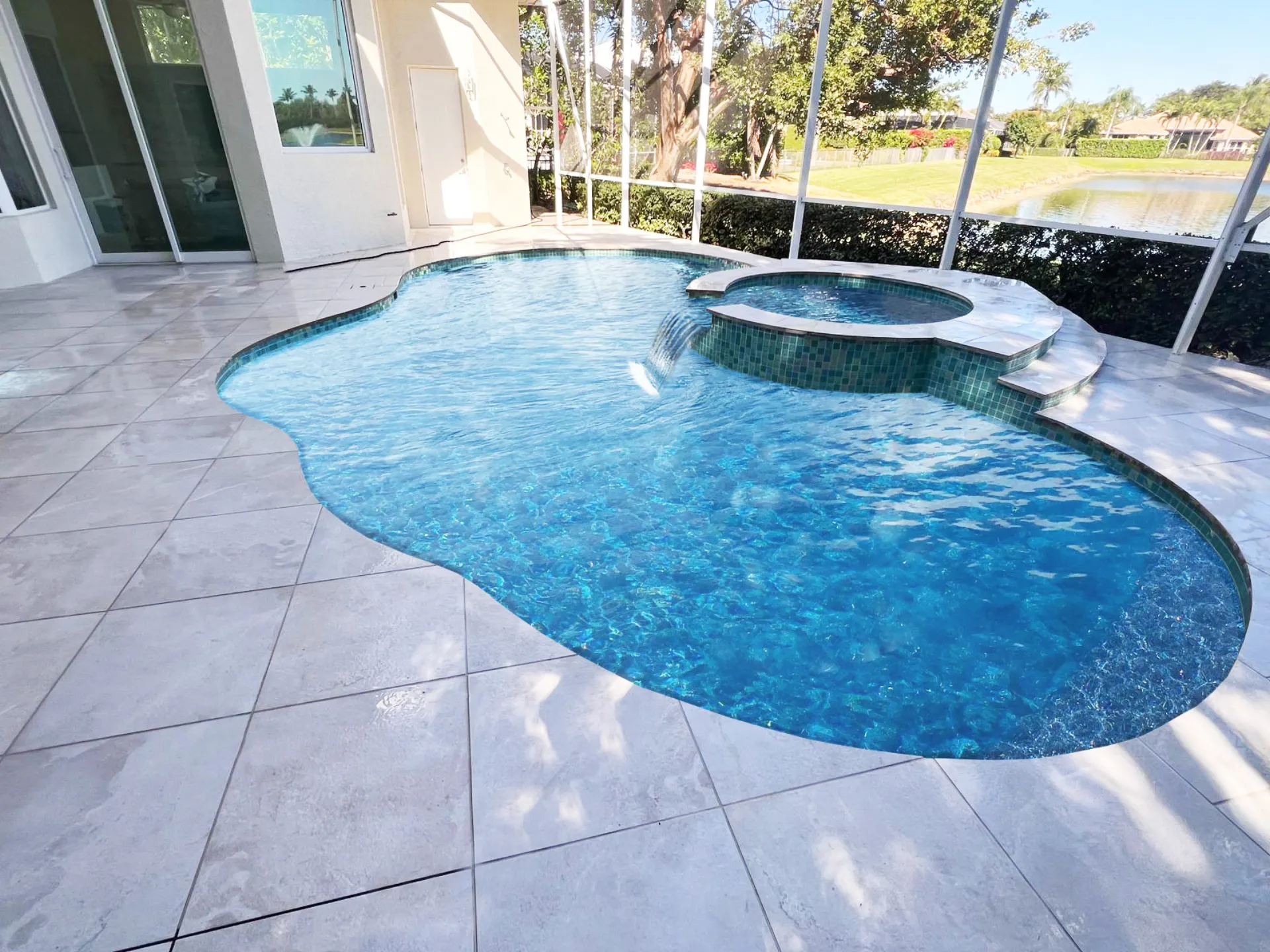
For guiding guests through your property, nothing is more charming than a paver walkway. You can create a winding garden path with elegant stepping stones or design a grand, formal entrance to your front door. And in Florida, a safe and beautiful pool deck is essential. The slip-resistant and cool-touch properties of porcelain pavers make them an ideal choice for creating a secure and comfortable poolside oasis for your family and friends to enjoy.
When you start looking at pavers, you’ll quickly realize they aren’t all the same. The material you choose affects everything from the look and feel of your space to its durability and maintenance needs. Different materials offer unique benefits, whether you're dreaming of a sleek modern patio or a rustic garden path. Understanding your options is the first step to picking the perfect paver for your project and ensuring it looks great for years to come. Let's walk through the most common materials you'll find.
Porcelain pavers are the cutting-edge option for outdoor spaces, and for good reason. Made from highly refined clay fired at extreme temperatures, they are incredibly dense, strong, and non-porous. This means they resist stains, water absorption, and fading, making them exceptionally low-maintenance. Many porcelain pavers feature textured surfaces designed for excellent traction, which is a huge plus for pool decks and rainy Florida days. With an amazing variety of designs that can mimic natural stone or wood, you can get a high-end look without the upkeep. You can explore options from standard 2CM porcelain pavers to ultra-durable 5CM porcelain pavers for any application.
Concrete pavers are a very common and affordable choice you'll see in many driveways and patios. They are made by mixing cement and aggregate (like small stones or sand) and pouring it into molds of various shapes and sizes. This process allows for a wide range of colors and styles. While they are stronger and more versatile than a simple poured concrete slab, they are porous. This means they can be prone to staining and fading over time from the sun and elements. They generally require regular sealing to maintain their color and protect them from stains, adding a recurring task to your home maintenance list.
If you love a timeless, traditional look, brick pavers might catch your eye. Made from natural clay that’s been baked in a kiln, they offer a classic charm with rich, earthy colors like reds, browns, and oranges. Because the color is consistent throughout the entire paver, it won't fade over time, and chips are less noticeable. Brick is a durable material, but it can be more brittle than other options and may chip or crack under heavy impact. Its surface can also be rougher, and the joints between bricks can be a welcoming spot for weeds if not properly maintained with polymeric sand.
Natural stone pavers are quarried directly from the earth, offering one-of-a-kind beauty. Materials like travertine, limestone, bluestone, and granite each have unique colors, textures, and patterns, so no two patios are exactly alike. This natural variation creates a truly luxurious and organic feel. While undeniably beautiful, stone pavers are often the most expensive option. They can also require significant upkeep; since many types of stone are porous, they need regular cleaning and sealing to prevent stains, water damage, and erosion, especially in a humid climate like Florida's.
When you’re planning a new patio, walkway, or pool deck, the flooring you choose is one of the biggest decisions you’ll make. It sets the tone for your entire outdoor space and has to stand up to weather, foot traffic, and time. While options like poured concrete or wood decking exist, paver flooring offers a unique combination of strength, style, and long-term value that’s hard to beat. From their incredible durability to their endless design potential, pavers give you the power to create an outdoor oasis that is both beautiful and built to last.
One of the biggest advantages of pavers is their strength. Unlike a single slab of concrete that can crack under pressure or from ground shifts, a paver system is made of individual, interlocking units. This design allows for natural expansion, contraction, and slight movements without causing damage. Modern porcelain pavers take this resilience even further. They are manufactured under extreme pressure and heat, resulting in a dense, robust material that resists chipping, cracking, and fading. For areas with heavy furniture or high foot traffic, you can even opt for thicker pavers, like ultra-strong 5CM porcelain pavers, for unmatched structural integrity.
Your outdoor space should be for relaxing, not for constant upkeep. Paver flooring, especially porcelain, is famously low-maintenance. Because porcelain is non-porous, it doesn't absorb moisture. This means it naturally resists stains from spilled drinks, grease from the grill, and the growth of mold and mildew, a common headache in Florida's humidity. You can forget about the yearly sealing or staining required for wood decks or natural stone. Most of the time, a simple sweep and occasional rinse with a hose is all you need to keep your pavers looking brand new. For a deeper clean, specialized cleaning products can easily handle any tough spots.
Safety is always a top priority, especially in areas that get wet. Around pools, spas, and walkways exposed to rain, you need a surface you can trust. Many pavers are designed with a textured surface to provide good traction. High-quality porcelain pavers are specifically engineered with an anti-slip finish, giving you crucial grip underfoot even when the surface is wet. This makes them an ideal and responsible choice for families with children or for anyone who enjoys entertaining around the pool. Pairing them with beautiful, slip-resistant coping completes your pool deck with safety and style.
Pavers are the ultimate tool for creative expression in your landscape. Forget a one-size-fits-all look; the design possibilities are nearly limitless. You can find pavers in a huge variety of colors, shapes, sizes, and textures. Create a classic, old-world feel with porcelain cobblestones, or design a sleek, contemporary patio with large-format tiles. You can lay them in captivating patterns like herringbone or basketweave, and add custom borders for a polished finish. With porcelain, you can get the stunning look of Italian marble or rustic travertine without the associated maintenance, allowing your personal style to shine through.
In a state like Florida, managing heavy rainfall is a real concern. A sand-set paver system offers a significant environmental advantage over solid surfaces. When it rains, water can permeate through the joints between the pavers and filter naturally into the ground below. This process reduces stormwater runoff, which helps prevent erosion and lessens the strain on municipal drainage systems. Using a quality polymeric sand in the joints helps lock the pavers in place while still allowing for this essential drainage. It’s a smarter, more sustainable way to pave that helps protect your landscape and the local environment.
Living in Florida means embracing the sunshine and outdoor lifestyle, but it also means dealing with a climate that can be tough on building materials. The intense sun, heavy rains, and constant humidity can cause wood to rot, concrete to crack, and natural stone to stain. This is where porcelain pavers truly shine. They offer the beauty of traditional materials without the constant upkeep, making them an ideal choice for any Florida home. Porcelain is engineered to withstand exactly these kinds of conditions, giving you a beautiful and durable outdoor space that lasts for years.
The Florida sun is no joke. Its relentless UV rays can bleach colors from wood, concrete, and even some natural stones, leaving your patio looking faded and worn. Porcelain pavers, on the other hand, are built to last. Because they are fired at extremely high temperatures, their color is locked in and they are incredibly resistant to fading. Your patio will look just as vibrant years from now as it did on day one. Plus, porcelain doesn't absorb as much heat as darker materials, and our range of new designs and sizes includes many lighter options that stay more comfortable for bare feet, even on the sunniest days.
With Florida's humidity and frequent downpours, moisture is a constant concern. Porous materials can absorb water, creating a perfect breeding ground for mold, mildew, and slippery algae. Porcelain pavers are a game-changer because they are virtually non-porous. They absorb less than 0.5% of water, which means mold and mildew can't get a foothold. Any surface grime is easily washed away, making cleaning simple. Many porcelain pavers also feature a textured surface that provides excellent traction, even after a sudden afternoon rainstorm. This makes them a much safer and lower-maintenance choice for walkways and patios.
A pool is the centerpiece of many Florida backyards, and the material you choose for the deck is critical for both safety and style. Porcelain pavers are the perfect solution. Their slip-resistant surfaces provide essential grip for wet feet, helping to prevent accidents around the pool. Unlike other materials, porcelain is also non-reactive to common pool chemicals like chlorine and salt, so you don't have to worry about staining or degradation over time. You can create a seamless, beautiful look by using matching coping for the pool's edge, giving you a high-end, cohesive design that is as safe as it is stunning.
Picking the right paver is about matching the material to the demands of the space. A paver that works wonders for a quiet garden path might not be the best fit for a busy driveway. You need to think about foot traffic, weather exposure, and the overall look you want to achieve. By understanding the strengths of different pavers for specific applications, you can create beautiful, functional, and long-lasting outdoor spaces that you’ll love for years to come.
Your patio is an extension of your home, a place for relaxing and entertaining. You need a surface that’s both beautiful and practical. Porcelain pavers are a fantastic choice here because they are designed with safety and style in mind. Most have textured surfaces that provide excellent traction, even after a classic Florida downpour, making the area safer for family and guests. Plus, they come in a huge variety of designs that mimic natural stone or wood, so you don't have to compromise on aesthetics. Our 2CM porcelain pavers are perfect for creating a sophisticated and durable outdoor living area that stands up to furniture, foot traffic, and the elements with minimal upkeep.
Driveways take a beating from the weight of vehicles and constant use. While traditional concrete or brick pavers have been common choices, they often require regular sealing and can crack under pressure. For a modern and much more durable solution, consider thick porcelain pavers. Specifically designed for vehicular loads, our 5CM porcelain pavers offer incredible strength and resistance to stains, oil, and tire marks. Unlike concrete, they won’t fade over time from sun exposure, and their non-porous surface makes cleaning a breeze. You get a high-end look that has the muscle to handle the most demanding traffic without the constant maintenance.
Walkways and garden paths guide people through your landscape, so they should be both safe to walk on and pleasing to the eye. For these areas, you want a material that is slip-resistant and durable. Porcelain is an excellent option, offering the strength to prevent cracks from shifting soil or tree roots. You can create a formal, structured walkway or a more organic path using our beautiful porcelain stepping stones. They provide a stable and stylish way to add character to your garden. Because they are non-porous, they resist moss and mildew growth, keeping your paths looking clean and inviting with very little effort.
Choosing a material for your pool deck is a major decision, especially in a sunny climate. You need something that stays relatively cool underfoot, provides excellent slip resistance, and can withstand constant exposure to water and pool chemicals. Porcelain pavers check all these boxes. They are less porous than natural stone like travertine, meaning they absorb less heat and are highly resistant to staining and fading. Their slip-resistant texture provides a safe surface for wet feet. To give your pool a seamless, professional look, you can finish the edges with matching porcelain coping. It’s the perfect way to get a low-maintenance, high-end resort feel right in your own backyard.
Once you’ve decided on porcelain, you’ll find a fantastic variety of styles, sizes, and thicknesses to choose from. It’s not just about picking a color; it’s about finding the right type of paver that fits your project’s function and your personal aesthetic. From ultra-durable options for your driveway to charming stones for a garden path, let’s look at some of the most popular choices.
Porcelain pavers come in several thicknesses, and the one you choose has a big impact on where you can use it. The most common option, 2CM porcelain pavers, is perfect for standard residential projects like patios, pool decks, and walkways where you’ll mostly have foot traffic. For areas that need to handle more weight, like a driveway or a high-traffic commercial space, you’ll want something more robust. Thicker options like 3CM porcelain pavers provide that extra strength and durability. For the most demanding jobs, 5CM porcelain pavers offer maximum structural support, ensuring your surface can withstand heavy vehicles and frequent use without a problem.
If you love a timeless, European-inspired look, you don’t have to settle for traditional stone. Modern porcelain cobblestone gives you that classic, textured appearance with all the benefits of a high-tech material. These pavers beautifully mimic the rustic look of natural cobblestone, making them a great fit for driveways, walkways, and patios in both traditional and contemporary homes. Unlike natural stone, porcelain won’t stain or fade, so you can get that sophisticated, old-world aesthetic without worrying about constant upkeep. It’s the perfect way to add character and curb appeal to your outdoor space while knowing it’s built to last.
A winding path through a garden or across a lawn adds a touch of magic to any landscape. Using porcelain stepping stones is a wonderful way to create these functional and beautiful walkways. Because porcelain is so durable, it holds up perfectly against foot traffic and Florida’s weather, from intense sun to heavy rain. The naturally slip-resistant surface also makes them a safe choice for guiding guests through your yard. You can lay them out to create a formal, straight path or a more organic, meandering trail that invites exploration. They are a simple yet effective way to add structure and style to your green spaces.
This is where the fun really begins. Once you’ve decided on porcelain for its durability and low maintenance, you get to be the artist of your outdoor space. The size, shape, color, and pattern of your pavers will define the entire look and feel of your patio, walkway, or pool deck. Think of it as choosing the perfect flooring, but for the outdoors. Let’s walk through the design elements that will turn your vision into a beautiful, functional reality.
The size of your pavers plays a huge role in the overall design. Large-format pavers, like 12-inch by 24-inch rectangles, can make a small patio feel more spacious and modern. Smaller squares might create a more traditional, classic look. When you’re planning, think about the scale of your project. A grand, expansive patio can handle oversized pavers, while a narrow garden path might be better suited for smaller stones.
Beyond length and width, thickness is a critical factor for performance. We offer pavers in several thicknesses, including versatile 2CM porcelain pavers for patios and walkways, and ultra-durable 5CM porcelain pavers that can handle the weight of vehicles on a driveway. Choosing the right thickness ensures your project will not only look great but also last for years.
Pavers come in various shapes, from classic squares and rectangles to the charming, old-world look of porcelain cobblestones. The shape you choose will influence the laying patterns available to you. A simple running bond pattern, where pavers are offset like bricks in a wall, creates a clean and timeless look. For something more dynamic, a herringbone pattern adds a sense of movement and sophistication.
Don’t be afraid to mix it up. You can combine different sizes and shapes to create a truly custom design. For a more organic and natural feel, you could even create a winding path using our beautiful stepping stones. The pattern you select is a powerful tool for expressing your personal style and making your outdoor space uniquely yours.
Color is one of the most exciting choices you'll make. Do you want a light, sandy color to create a bright, coastal vibe, or a dark, slate gray for a touch of modern drama? Consider the color of your home’s exterior and the surrounding landscape to create a cohesive palette. Our porcelain pavers come in a wide range of colors and finishes, mimicking everything from natural stone to sleek concrete.
One of the best features of porcelain is its built-in safety. Most of our pavers have textured surfaces that provide excellent traction, even when wet. This makes them a fantastic and safe choice for pool decks and other areas exposed to Florida’s frequent rain. You can explore our new porcelain paver designs to see the incredible variety of colors and textures available.
A border is like the frame on a beautiful piece of art. It gives your paver patio or walkway a crisp, finished edge and a professional look. You can create a border using the same paver in a different pattern, or you can choose a contrasting color or style to make it stand out. For pool areas, specialized coping provides a safe, smooth edge for the perimeter.
Borders aren’t just for looks; they also serve a practical purpose. When installed with proper edge restraints, they help lock the main field of pavers in place, preventing them from shifting over time. This small detail helps maintain the structural integrity of your entire project, ensuring your beautiful design stays put for the long haul.
If you’re looking for fresh inspiration, there are some exciting trends in paver design right now. Large-format, rectilinear shapes are incredibly popular for creating clean, contemporary outdoor living spaces. We’re also seeing a return to timeless, natural aesthetics. Pavers with textured surfaces and varied tones that recall weathered cut flagstone can give your space a rustic yet refined feel.
Another popular trend is creating seamless transitions between indoor and outdoor spaces by using similar tones and large-format pavers. This can make your living area feel much larger. You can achieve all of these modern looks with our extensive collection of 3CM porcelain pavers, which offer the perfect blend of cutting-edge design and superior strength for any outdoor project.
Ready to get your hands dirty? Installing pavers using the sand-set method is a fantastic project that creates a durable and beautiful surface for any outdoor space. This technique involves setting pavers on a bed of sand over a compacted gravel base. It’s a popular choice because it allows for slight movement with the ground's natural shifts, which helps prevent cracking. While it requires some patience and precision, following these steps will help you build a patio, walkway, or pool deck that you can be proud of for years to come. Let’s walk through the process together, one step at a time.
A great paver project starts from the ground up, which means the base is everything. Proper site preparation is the most important step for ensuring your paver installation lasts. Start by clearing the area of all grass, plants, and debris. You’ll need to excavate the soil to a depth that accommodates a compacted gravel base, a layer of sand, and the thickness of your pavers. Once excavated, compact the soil thoroughly. A strong, compacted base is essential for preventing sinking and shifting down the road. This foundational work isn't the most glamorous part of the job, but trust me, you’ll be glad you took the time to do it right.
Water is the biggest enemy of a paver installation. That's why planning for proper drainage is a step you absolutely cannot skip, especially in a place like Florida with heavy seasonal rains. You need to grade the area, creating a gentle slope that directs water away from your home’s foundation and off the paver surface. A common rule of thumb is to create a slope of about a quarter-inch for every foot of distance. This prevents water from pooling on your patio, which can lead to stains, slippery spots, and long-term damage to the base underneath. Getting the grade right ensures your beautiful new outdoor space stays stable and safe.
After you’ve prepared and compacted the gravel base, it’s time to add the sand bedding. This layer creates a smooth, even surface to set your pavers on. Spread a one-inch layer of coarse, clean sand over the entire gravel base. The key here is to get it perfectly level. You can do this by a process called "screeding." Lay two parallel pipes or rails on top of the gravel and pull a straight 2x4 board across them to smooth the sand to a consistent depth. It’s important not to walk on or compact the sand after it has been screeded. This pristine surface is what will allow your pavers to sit flat and securely.
Now for the exciting part: laying the pavers. Begin at a corner or along a straight edge, like the wall of your house. Place each paver gently onto the sand bed, being careful not to slide it, which would disturb the sand. Work your way outward, placing the pavers in your chosen pattern. It’s a good idea to use paver spacers to ensure you get consistent, uniform gaps between each one. As you go, install sturdy edge restraints around the perimeter of your project. These restraints are crucial for locking the entire system together and preventing the pavers from shifting or spreading apart over time. This simple addition helps maintain the integrity of your entire paver surface.
With all your pavers in place, the final step is to lock them together. This is where polymeric sand comes in. Unlike regular sand, polymeric sand contains special polymers that harden when activated with water. Sweep the dry sand across the surface, working it into all the joints until they are completely full. Use a leaf blower to remove any excess sand from the paver surfaces before you add water. Once the surface is clean, lightly mist the area with a hose to activate the sand. This process creates a firm, durable joint that locks the pavers in place, resists weed growth, and prevents insects from making a home between your beautiful pavers.
You’ve picked out your beautiful porcelain pavers and you’re ready to get started. That's exciting! While installing pavers can be a rewarding project, a few common slip-ups can turn your dream patio into a future headache. Let's walk through the mistakes I see most often so you can get a flawless, professional-looking finish that lasts for years. Getting these details right from the start will save you from costly and time-consuming repairs down the road.
A solid foundation is everything when it comes to paver installation. The crushed stone base beneath your pavers must be thoroughly compacted, usually in layers, to create a stable platform that won’t shift or settle over time. However, here’s a critical detail that often gets missed: you should not compact the bedding sand layer before you lay the pavers. Laying pavers on a loose, even layer of sand allows you to set each one perfectly. If you compact the sand first, you can create dense spots that will make it impossible to get a level surface, leading to wobbly pavers and an uneven patio.
Sand plays two key roles in your paver project, and getting the amount right for both is essential. First, you have the bedding sand, which should be a consistent one-inch layer. Second, you have the jointing sand. Using too little polymeric sand in the joints will fail to lock your pavers together, allowing them to shift and potentially chip. On the other hand, using too much sand can leave a messy haze on your paver surface that’s difficult to clean. Always follow the product instructions and sweep away all excess sand from the paver surfaces before watering it in to ensure a clean, strong finish.
Think of edge restraints as the frame that holds your beautiful picture together. Without a sturdy border, the pavers along the perimeter have nothing to stop them from creeping outwards under pressure and foot traffic. This movement creates gaps, causes the pavers to become loose, and ultimately compromises the entire installation. Proper edge restraints, which are installed around the perimeter, lock everything in place and are absolutely essential for the long-term stability of your patio, walkway, or driveway. For a seamless look, you can even use decorative coping as a built-in edge.
The gaps between your pavers are just as important as the pavers themselves. These joints, when filled with sand, create an interlocking system that distributes weight and keeps everything stable. Inconsistent spacing not only looks unprofessional but also weakens the structure. The easiest way to ensure uniform gaps is to use paver spacers. These small but mighty tools guarantee every joint is the same width, allowing the polymeric sand to fill the gaps properly and create a strong, cohesive surface that will stand the test of time.
One of the best features of porcelain paver flooring is how little effort it takes to maintain. Unlike other materials that require constant sealing and scrubbing, porcelain is built to withstand the elements with minimal fuss. Your beautiful patio, walkway, or pool deck will keep its color and texture for years with just a bit of routine care. Think of it less as a chore and more as a simple way to protect your investment. Following a few easy steps will ensure your outdoor space remains a stunning, welcoming retreat for your family and friends.
The non-porous nature of porcelain means that dirt, grime, and spills sit on the surface instead of soaking in, making cleanup incredibly simple. This is especially great for Florida's climate, where humidity and frequent rain can encourage mildew on other surfaces. With porcelain, a quick rinse is often all it takes to restore its fresh look. We’ll walk through everything you need to know to keep your pavers in pristine condition, from simple cleaning routines and managing joint sand to handling the occasional stain or repair. With the right approach, your outdoor living area will continue to look as good as the day it was installed.
Keeping your porcelain pavers clean is refreshingly straightforward. For everyday dirt and debris like leaves or dust, a quick sweep with a broom is usually all you need. For a more thorough clean, you can simply hose the area down. If you encounter more stubborn grime from foot traffic or outdoor gatherings, a solution of mild soap and water applied with a soft-bristle brush will do the trick. After gently scrubbing, rinse the area completely to wash away any soap residue. We offer a range of specialized cleaning products designed to be tough on dirt but gentle on your pavers, ensuring a perfect finish without any risk of damage.
The sand-filled joints between your pavers are crucial for both stability and appearance. Using the right material here is key to preventing weeds and keeping everything locked in place. We always recommend using a high-quality polymeric sand, which contains a special binding agent that hardens after being wet. This creates a firm, durable joint that resists weed growth and erosion from rain. If a stray weed does manage to sprout, it’s typically easy to pull by hand. Periodically inspect your paver joints, especially after heavy rain, and top them off with fresh sand as needed to maintain a solid, beautiful surface.
Porcelain’s non-porous surface makes it naturally resistant to stains, which is a huge relief for any homeowner. Spills from things like wine, oil, or sauces tend to sit on the surface instead of soaking in. For best results, try to clean up spills as soon as they happen. Most can be wiped away with a damp cloth. If a stain has had time to set, a simple mix of mild soap and warm water is your best bet. It’s important to avoid using harsh chemicals or abrasive scrubbers like steel wool, as these can scratch or dull the paver’s finish.
One of the greatest advantages of a sand-set paver system is the ease of repairs. While our porcelain pavers are incredibly durable, accidents can happen. If a paver ever becomes chipped or cracked, you don’t have to redo the entire patio. You can simply replace the individual stone. To do this, carefully pry out the damaged paver, level the sand base beneath it, and set a new paver in its place. Using a heavy-duty suction cup can make lifting and placing pavers much easier and safer. Once the new paver is set, just sweep polymeric sand into the joints to lock it in.
A successful paver installation relies on more than just the pavers themselves; it’s a complete system. Essential accessories ensure your project looks great and stands the test of time. Edge restraints, for example, are installed around the perimeter of your patio or walkway to keep the pavers from shifting and spreading apart. Using proper spacers during installation is also critical for creating uniform joint lines, which not only looks professional but also contributes to the structural integrity of the entire surface. These finishing touches are what separate a good project from a great one.
Are porcelain pavers slippery when they get wet? This is a great question, especially for pool decks and walkways in rainy Florida. High-quality porcelain pavers are specifically engineered with a textured, anti-slip surface. This provides excellent grip underfoot, making them a much safer choice than many types of smooth natural stone or sealed concrete, which can become quite slick after a rainstorm or around the pool.
Will porcelain pavers fade or get too hot in the Florida sun? Porcelain pavers are built to handle intense sun. The color is fired into the paver at extreme temperatures, so it becomes part of the material itself, making it incredibly resistant to fading from UV rays. As for heat, while any surface will get warm in direct sun, porcelain doesn't absorb as much heat as dark concrete or asphalt. Choosing a lighter color paver will also help keep the surface more comfortable for bare feet.
What's the real difference between paver thicknesses like 2CM and 5CM? The thickness you need depends entirely on what the area will be used for. A 2CM paver is the standard for most residential projects with foot traffic, like patios, garden paths, and pool decks. When you need to support the weight of vehicles, you should use a thicker paver. A 5CM paver provides the structural strength required for driveways, ensuring the surface can handle cars without cracking or shifting.
How difficult is it to replace a single damaged paver? One of the best things about a sand-set paver system is how simple repairs are. If a paver gets chipped or cracked, you don't need to replace the whole area. You can carefully pry out the single damaged paver, smooth out the sand base underneath it, and set a new one in its place. After that, you just sweep fresh polymeric sand into the joints to lock it in.
Why is polymeric sand better than regular sand for the joints? Polymeric sand is a game-changer for paver installations. Unlike regular sand that can wash away, it contains special polymers that harden when you wet them. This creates a firm, flexible joint that locks all the pavers together, prevents them from shifting, and makes it much harder for weeds to grow or insects to burrow through. It’s a small detail that makes a huge difference in the long-term stability and cleanliness of your patio.