1 May
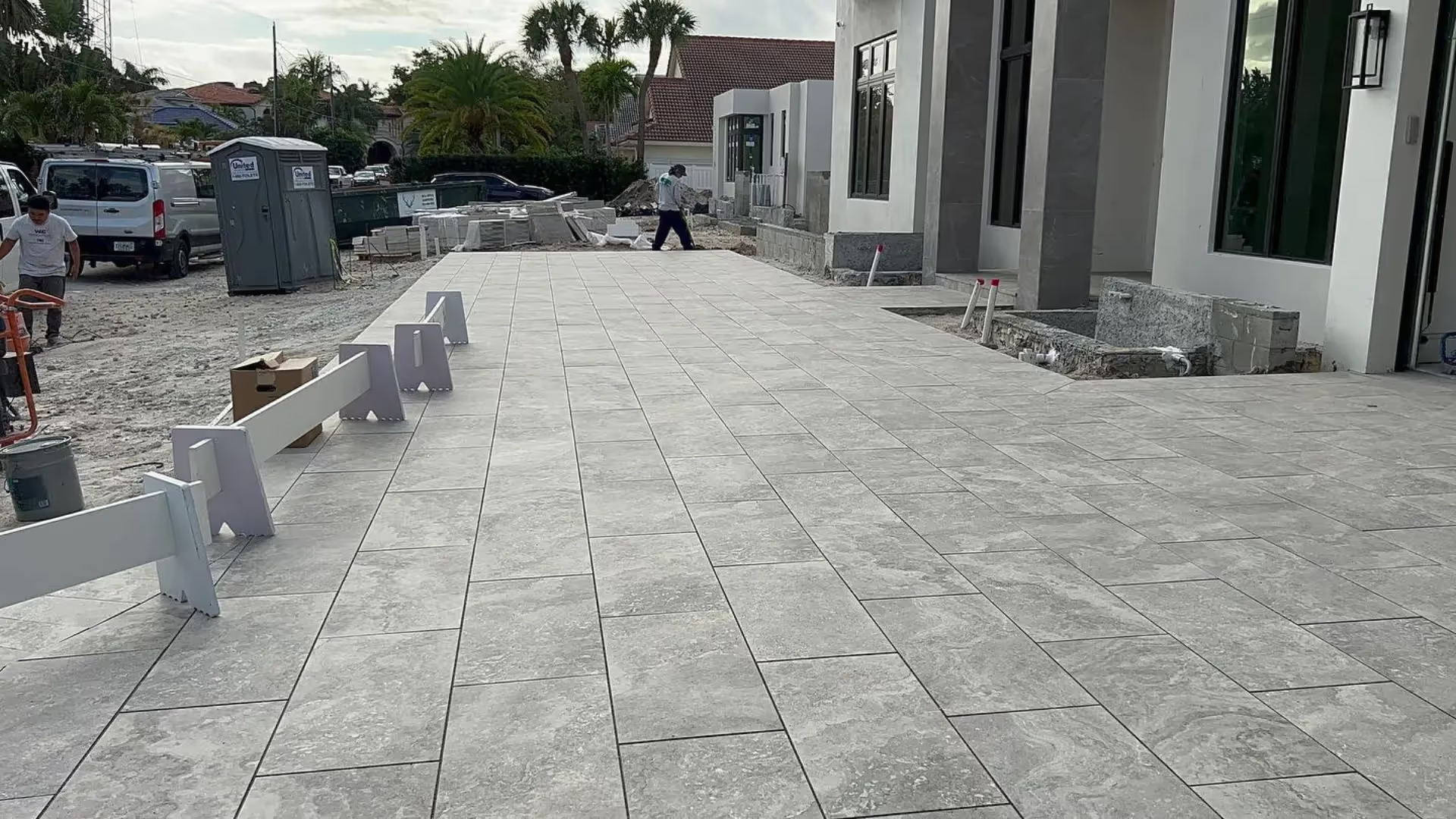
When you hear "porcelain," you might think of delicate tiles, but that couldn't be further from the truth for outdoor applications. These pavers are a completely different class of material, engineered specifically for extreme conditions. Unlike standard 2CM patio pavers, the options designed for vehicular traffic are significantly thicker and stronger. We’re talking about robust 3CM and 5CM pavers built to handle the weight of cars day in and day out without shifting or cracking. This article is your complete guide to heavy duty porcelain plank pavers for driveway use, covering their key features, proper sand-set installation, and how they outperform traditional materials in every category.
When you think about paving your driveway, you probably picture traditional concrete or brick. But there’s a more modern, durable, and stylish option to consider: heavy-duty porcelain plank pavers. These aren't your average patio tiles. They are specifically engineered for areas that handle heavy loads, like the family car driving in and out every day. Think of them as the powerhouse version of standard porcelain pavers, designed to withstand the pressure and traffic of a residential driveway without cracking or shifting.
At Hardscape, our heavy-duty options include robust 3CM Porcelain Pavers and even thicker 5CM Porcelain Pavers. These pavers are built to last, offering a sophisticated look that holds up under pressure. They combine the elegance of high-end materials with the practical strength needed for vehicular use, giving you a driveway that is both beautiful and incredibly functional. Choosing heavy-duty porcelain means you’re investing in a long-term solution that resists wear and tear while maintaining its curb appeal for years.
The biggest difference between heavy-duty porcelain and traditional pavers like natural stone or concrete lies in their composition. Porcelain is fired at extremely high temperatures, which makes it incredibly dense and strong. While natural stone is beautiful, it can be porous, meaning it absorbs water. This can lead to staining, mildew, or cracking, especially in a humid climate like Florida's.
Porcelain, on the other hand, is non-porous. It repels water, oil, and other liquids, so spills are much easier to clean and stains rarely set. This means you won’t have to worry about sealing your driveway every year. It’s a low-maintenance choice that offers superior performance and a consistently clean look compared to its traditional counterparts.
When it comes to a driveway, strength is non-negotiable. This is where the thickness of heavy-duty porcelain pavers really shines. A standard porcelain paver is usually 2cm thick, which is perfect for patios and walkways. For driveways, however, you need something more substantial. Our 3CM porcelain pavers are significantly stronger, with a breaking strength that can easily support the weight of personal vehicles.
For even more demanding applications or just extra peace of mind, our 5CM porcelain pavers offer maximum durability. They are engineered to handle repeated vehicular traffic without any issues. This impressive load capacity ensures your driveway won't just look great on day one, but will continue to perform beautifully for decades.
Beyond their incredible strength, heavy-duty porcelain pavers come with a long list of benefits that make them a smart choice for any homeowner. Because they are non-porous, they are highly resistant to stains, mold, and mildew. They are also frost-proof and fade-resistant, so the color you choose will stay vibrant even under the intense Florida sun. This makes routine cleaning simple and straightforward.
These pavers are also skid-resistant, providing better traction for both cars and foot traffic, which is a great safety feature during rainy seasons. Plus, they come in a wide variety of styles, including beautiful wood-look planks and modern stone finishes, allowing you to achieve a high-end look that traditional materials often can't match.
Your driveway is the first impression your home makes, so why settle for something purely functional? Heavy-duty porcelain planks offer the perfect blend of sophisticated style and incredible strength, giving you a stunning entrance that’s built to last. They handle daily traffic with ease and stand up to the elements, all while maintaining their beautiful appearance. Let’s look at exactly why these pavers are the ideal choice for your driveway project.
When it comes to your driveway, strength is non-negotiable. This is where heavy-duty porcelain pavers truly shine. We’re talking about pavers that are specifically engineered for vehicular traffic, like our robust 3CM porcelain pavers. Their substantial thickness, around 1 1/8 inches, gives them the power to handle the weight of cars and SUVs without cracking or shifting. This extra density makes them far more resistant to impact and heavy loads than thinner alternatives. You get peace of mind knowing your driveway isn't just beautiful, but also incredibly tough and ready for daily use.
Living in Florida means your driveway faces a unique set of challenges, from blistering sun to heavy downpours. Heavy-duty porcelain planks are built to handle it all. Unlike other materials that can fade under constant UV exposure, porcelain retains its color and finish year after year. Its low absorption rate means it resists moisture damage, preventing issues like algae growth or staining after a storm. These pavers are also skid-resistant, providing a safer surface during our rainy seasons. They offer a durable, long-lasting solution that looks great no matter what the Florida weather throws at it.
A driveway is bound to see its share of spills, from car oil to leaky trash bags. With porcelain planks, cleanup is refreshingly simple. Their non-porous surface acts as a shield, preventing liquids from seeping in and causing permanent stains. An oil drip or spilled drink can be wiped away easily, leaving no trace behind. This makes porcelain a wonderfully low-maintenance option. Forget about intensive scrubbing or special treatments; a quick spray with a hose is often all you need to keep your driveway looking brand new. Our guide to cleaning porcelain shows just how straightforward it is.
Choosing a durable material for your driveway shouldn't mean compromising on design. Porcelain planks offer incredible creative freedom, allowing you to create a look that perfectly complements your home's style. Whether you love the warm, rustic appearance of wood, the classic elegance of natural stone, or the sleek look of modern concrete, there’s a porcelain paver to match. You can explore a wide range of new designs and sizes to find the perfect fit. This versatility means your driveway can become a true design element, enhancing your home’s curb appeal and reflecting your personal taste.
Installing a porcelain paver driveway is a rewarding project that can transform your home's curb appeal. While it requires careful planning and a bit of muscle, getting the installation right ensures your driveway will look incredible for years. The secret to a long-lasting, professional-looking finish isn't just in the pavers themselves; it's in the foundation you build beneath them. A solid, well-compacted base is the key to preventing shifting, sinking, and drainage issues down the road. Let's walk through the essential steps for a successful sand-set installation.
Think of the base as the unsung hero of your driveway project. A proper foundation provides the stability your pavers need to handle vehicle traffic and Florida's weather. Start by excavating the driveway area to the proper depth, which includes room for a gravel base, a sand layer, and the thickness of your pavers. Once excavated, thoroughly compact the soil. Next, add a 4- to 6-inch layer of crushed stone aggregate and compact it until it's solid. On top of this, spread a 1-inch layer of coarse bedding sand. Use a screed to level the sand perfectly, creating a smooth, flat surface to lay your beautiful 5CM porcelain pavers.
Having the right tools on hand before you start makes the entire process smoother. You don’t want to be running to the store mid-project. Gather a shovel, wheelbarrow, plate compactor (you can rent one), a long level, a rubber mallet, screed rails, and string lines. For materials, you’ll need your pavers, edge restraints to hold the perimeter secure, your base aggregate, and bedding sand. For the final step of locking the pavers together, you’ll need a jointing compound. We recommend using a high-quality polymeric sand, which hardens to resist weeds and insect infestations. If you need to make any cuts, a wet saw with a diamond blade designed for porcelain is a must.
The details are what separate a good driveway from a great one. As you lay each paver, use paver spacers to maintain consistent gaps. These joints are crucial because they allow the pavers to expand and contract with temperature changes, preventing chipping and cracking. Check for levelness constantly, both along the length and width of the pavers. A rubber mallet is your best friend here for gently tapping pavers into the sand bed. Most importantly, plan for drainage. Your entire base should have a slight, consistent slope (about a quarter-inch drop per foot) that directs rainwater away from your house and off the driveway surface. This prevents pooling water and protects your home’s foundation.
Even with careful planning, you might run into a few snags. If you place a paver and it wobbles, don't worry. Just lift it, add or remove a small amount of bedding sand underneath, and reset it until it’s stable. This is a sign that your sand layer might not be perfectly level. If you notice pavers shifting over time, the culprit is likely weak or improperly installed edge restraints. Make sure your edging is robust and securely staked into the ground. To avoid chipping the pavers when making cuts, use a sharp, high-quality diamond blade and let the saw do the work without forcing it. Patience is key to getting clean, precise cuts.
Choosing the right material for your driveway is a big decision. It’s the first thing people see, and it needs to handle daily traffic and Florida's unique climate. While traditional options like concrete, asphalt, and brick have been around for ages, porcelain pavers offer a modern alternative with some serious advantages. Let's break down how they compare.
Concrete is a common choice for driveways, but it has its weaknesses. It’s prone to cracking under pressure or from shifting ground, and it easily soaks up stains from oil and other fluids. Porcelain, on the other hand, is a game-changer. Because it’s fired at extremely high temperatures, it’s incredibly dense and strong, often more so than concrete or even natural stone. Our heavy-duty 3CM porcelain pavers are engineered to withstand the weight of vehicles without cracking. They also resist moisture, mildew, and fading from the sun, which means your driveway will look great for years with minimal upkeep.
Asphalt driveways might seem like a cost-effective option upfront, but they require regular, costly maintenance like sealing to prevent cracks and deterioration. Porcelain pavers are a smart long-term investment. They are built to last, resisting the kind of wear and tear that breaks down asphalt over time. Spilled oil or other chemicals won't leave a permanent mark, as the non-porous surface prevents them from soaking in. While the initial cost might be higher than asphalt, the durability and low maintenance of porcelain can lead to significant savings down the road. You can explore a variety of styles with our new designs and sizes to find a look that adds lasting value to your home.
Brick driveways have a classic charm, but they can be a hassle to maintain. Bricks are porous, meaning they absorb water, which can lead to mildew growth and staining, especially in Florida's humid climate. They can also chip and scratch over time. Porcelain pavers offer a more durable solution. They are virtually non-porous and highly resistant to scratching, so they can handle everything from car tires to dragged garbage cans without showing wear. If you love the classic look of brick, our porcelain cobblestones give you that timeless aesthetic without the constant upkeep. They won’t absorb moisture, making them a much cleaner and longer-lasting choice.
Making a big decision like choosing a new driveway material comes with a lot of questions. It's smart to do your homework before you commit. Let's clear up some common misconceptions, highlight the most important features to consider, and talk about the real value you get when you invest in a porcelain paver driveway.
One of the first things people worry about is heat, especially here in Florida. The myth is that porcelain gets too hot to handle. While any surface will warm up in the sun, porcelain’s incredible density means it doesn't retain heat as much as other materials. Another common myth is that porcelain isn't as durable as natural stone. In reality, the high-temperature firing process makes porcelain pavers exceptionally strong and scratch-resistant, often outperforming stone in high-traffic areas. Finally, forget the idea that porcelain stains easily. Because it's non-porous, spills like oil or grease can't penetrate the surface, making cleaning simple and stress-free.
When you're shopping for driveway pavers, a few key features really matter. First, look at durability and load-bearing strength. Porcelain pavers are engineered for performance, with options like extra-thick 5CM porcelain pavers designed to handle the weight of vehicles without breaking a sweat. You'll also want something that stands up to the elements. Porcelain is naturally resistant to stains, scratches, and fading from UV rays, so your driveway will look great for years. Its high wear rating makes it perfect for busy driveways on both residential and commercial properties, ensuring it can handle constant use without showing its age.
Let's talk about the investment. While the upfront cost of porcelain pavers is competitive and often more affordable than high-end natural stone, their real value shines through over time. Because they are so durable and non-porous, you won't have the recurring costs of sealing, staining, or replacing cracked stones. The minimal maintenance required saves you both time and money on upkeep. Think of it this way: you're investing in a long-term solution that maintains its beauty and function without demanding constant attention. A porcelain driveway adds lasting curb appeal and value to your home, making it a smart financial choice for the long haul.
One of the best things about choosing porcelain pavers for your driveway is how simple they are to maintain. You get all the beauty of a high-end material without the constant upkeep. A little bit of routine care is all it takes to keep your driveway looking brand new for years. Forget about intensive scrubbing or special treatments; these pavers are designed for real life. Following a few straightforward steps will protect your investment and ensure your home’s curb appeal stays top-notch.
Keeping your porcelain driveway pristine is easier than you think. For day-to-day tidiness, a quick sweep with a broom or a rinse with a garden hose will usually do the trick to remove leaves and surface dirt. For a deeper clean, it’s important to use the right products. Using a pH-neutral cleaner specifically formulated for porcelain will prevent any potential staining and preserve the paver’s finish. Because porcelain is non-porous, grime sits on the surface instead of soaking in, making it incredibly easy to wash away. Just be sure to follow the manufacturer's instructions on any cleaning solutions you use.
Porcelain pavers are incredibly tough and have a high resistance to scratching, especially when compared to materials like concrete or natural stone. They are built to handle vehicle traffic and daily use without showing wear. While our 5CM porcelain pavers are designed for maximum strength, a few good habits can help prevent any accidental damage. Try to avoid dragging heavy metal furniture or sharp objects across the surface. If you’re working on a project nearby, laying down a protective mat can offer extra peace of mind. These small precautions will help maintain the flawless surface of your driveway for the long haul.
Florida’s sun and humidity can be tough on outdoor surfaces, but porcelain pavers are uniquely suited for this climate. Their non-porous and virtually impenetrable surface means they don’t need to be sealed like natural stone or concrete. This quality is a huge advantage here, as it prevents moisture from seeping in, which in turn resists mold, mildew, and staining. For long-term stability, periodically check the joints between your pavers. Topping up the joints with polymeric sand as needed will keep everything locked in place and prevent weeds from popping up, ensuring your driveway remains a beautiful, low-maintenance feature of your home.
Are porcelain plank pavers slippery when it rains? This is a great question, especially for those of us living with Florida's sudden downpours. Heavy-duty porcelain pavers are designed with safety in mind and have a textured, skid-resistant surface. This provides reliable traction for both your car's tires and for you when you're walking on the driveway, making them a safe and practical choice even in wet conditions.
Can I use standard 2CM pavers for a driveway to save money? While it might seem like a good way to cut costs, using standard 2CM pavers for a driveway is not recommended. They are perfect for patios and walkways, but they aren't engineered to handle the repeated weight and stress of vehicles. For a driveway that won't crack or shift, you need the structural strength of our thicker 3CM or 5CM pavers, which are specifically designed for that purpose.
Will the color of my porcelain driveway fade in the Florida sun? You can rest easy on this one. The color in a porcelain paver isn't just a top coat; it's baked through the entire body of the paver during a high-temperature firing process. This makes the color incredibly stable and resistant to fading from UV rays. Your driveway will keep its rich, vibrant look for years, no matter how much sun it gets.
What happens if a single paver gets damaged? Is it hard to replace? One of the best features of a paver system is how simple repairs are. Unlike a concrete slab that requires a major patch job, a single damaged porcelain paver can be individually lifted out and replaced. This makes fixing any accidental chips or cracks a quick and relatively inexpensive process that doesn't disrupt the rest of your beautiful driveway.
Do I need to seal a porcelain paver driveway like I would with concrete or stone? Absolutely not, and that's one of the biggest benefits. Porcelain is non-porous, which means it naturally repels water, oil, and other liquids that would normally cause stains. You can skip the time, cost, and effort of sealing your driveway every year. This is a huge part of what makes porcelain such a wonderfully low-maintenance choice.