11 May
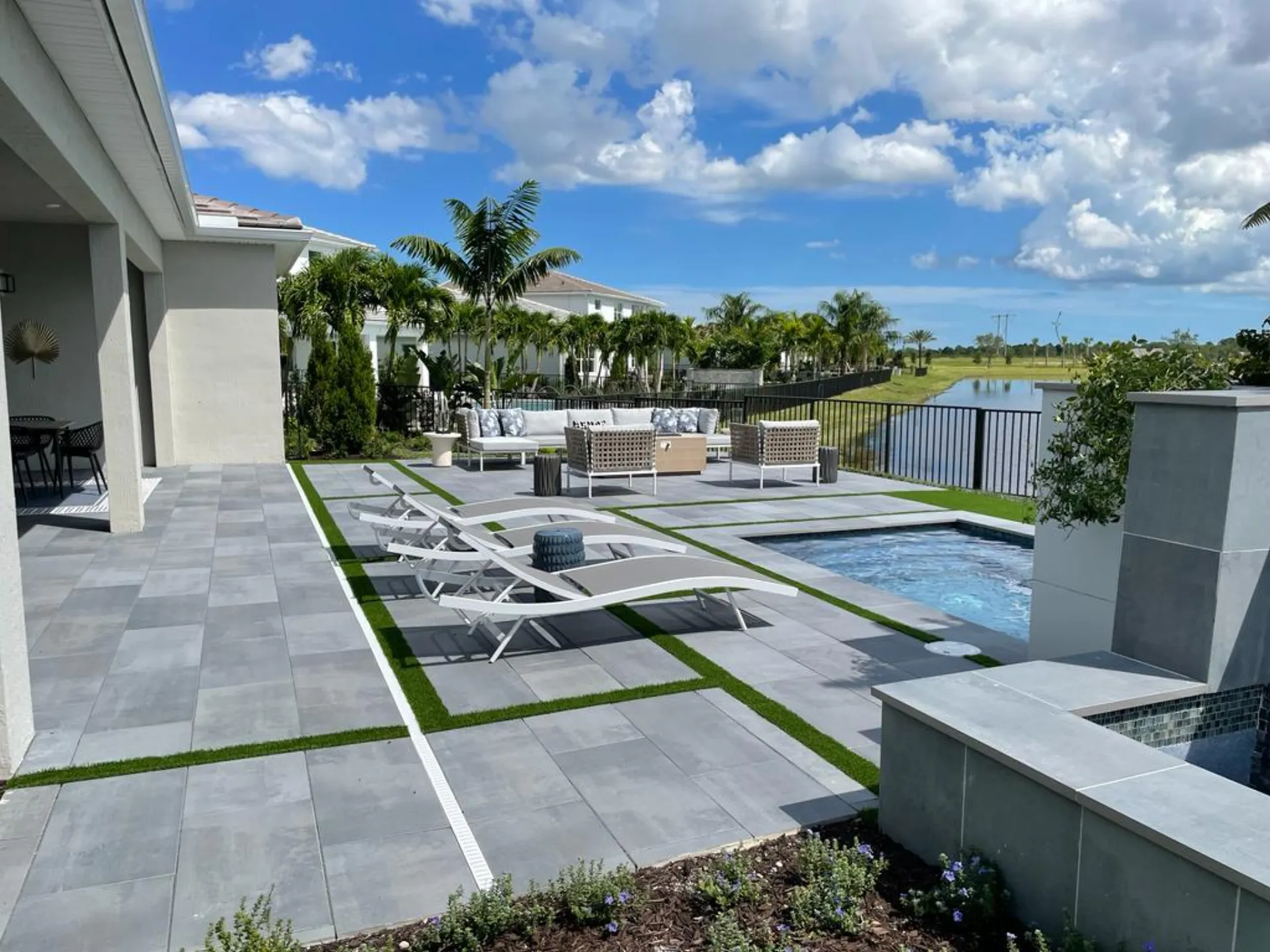
Choosing the right material for your patio or pool deck in Florida can feel like a losing battle. Wood splinters and rots in our humidity, concrete pavers stain and fade under the intense sun, and natural stone can become a slippery, moldy mess. It’s a constant cycle of cleaning, sealing, and worrying. But what if there was a material designed to thrive here? Porcelain pavers are engineered to solve these exact problems. They offer the stunning look of natural stone or wood without any of the demanding upkeep. For anyone looking to install beautiful, long-lasting porcelain pavers, Florida weather has finally met its match. This guide will show you why they are the smartest choice for your home.
If you're dreaming of a beautiful, long-lasting patio, pool deck, or walkway, you've probably come across porcelain pavers. So, what are they? Think of them as the superhero version of indoor porcelain tile, specifically engineered for the outdoors. They are crafted from fine clay and minerals fired at extremely high temperatures, creating a paver that is incredibly dense, strong, and durable. This process gives them the power to withstand heavy foot traffic, patio furniture, and the demanding Florida weather. Unlike other materials, they offer the stunning look of natural stone or wood without the constant upkeep, giving you the best of both worlds for your outdoor living space.
Porcelain pavers stand out from traditional materials like concrete and natural stone in a few key ways. Their biggest advantage is their incredible density. This makes them exceptionally strong and resistant to breaking, but it also means they absorb very little water (less than 0.5%). For Florida homeowners, this is a game-changer, as it helps prevent stains and mildew. Unlike porous natural stone that needs regular sealing, porcelain keeps its good looks with minimal effort. They are also surprisingly lightweight compared to stone or concrete, which can make installation a bit easier. Best of all, you aren't limited in style. You can find new designs that perfectly mimic everything from classic travertine to rustic wood planks.
Let's clear up a few common misconceptions about porcelain pavers, especially for those of us living in Florida. A big one is that they're slippery. While indoor porcelain can be slick, outdoor-rated pavers are manufactured with a textured, anti-slip finish, making them a safe and popular choice for pool decks and patios. Another myth is that they require a lot of maintenance. In reality, the opposite is true. Because they are non-porous, they resist stains from spills, dirt, and pool chemicals. A simple wash is usually all it takes to clean them. You also don't have to worry about the intense Florida sun; porcelain is UV-resistant, so its color won't fade over time like some other materials.
Choosing the right material for your patio, pool deck, or walkway in Florida is a big decision. Our climate, with its intense sun, high humidity, and seasonal storms, can be tough on outdoor surfaces. This is where porcelain pavers truly shine. They are engineered specifically to handle these challenges, giving you a beautiful and long-lasting outdoor space without the constant upkeep. Let’s look at exactly why porcelain is such a perfect match for Florida living.
The relentless Florida sun can cause other materials to fade, crack, or become uncomfortably hot. Porcelain pavers, however, are built differently. During manufacturing, they are fired at extremely high temperatures, which creates a dense, tough tile that is incredibly resilient. This process helps them resist fading from UV exposure, so your patio’s color stays vibrant for years. They also handle the constant cycle of heat and humidity without warping or cracking, giving you a stable, reliable surface you can count on. Our 2CM porcelain pavers offer a perfect blend of this durability and sleek design for any outdoor project.
Safety is always a top priority, especially around pools and in areas that get wet during a sudden downpour. Porcelain pavers are designed with safety in mind, featuring textured, slip-resistant surfaces that provide excellent traction even when damp. This makes them an ideal choice for pool decks, outdoor showers, and walkways. Their exceptional durability means they won't chip or wear down easily, ensuring the surface remains safe and intact over time. You can create a seamless and secure edge for your pool with matching porcelain coping, which provides the same slip-resistant benefits right where you need them most.
In a humid climate like Florida's, mold and mildew are constant battles for homeowners. Because porcelain pavers have an extremely low water absorption rate (less than 0.5%), they give mold and algae nowhere to grow. Water and moisture simply stay on the surface instead of seeping in, which prevents the unsightly and slippery buildup common with more porous materials like concrete or natural stone. This key feature means your patio will stay cleaner for longer and require far less effort to maintain. A simple sweep and occasional wash are all it takes to keep them looking pristine, simplifying your outdoor cleaning routine.
From heavy summer rains to the high winds of hurricane season, Florida weather demands strength. Porcelain pavers are impressively strong and resistant to breaking, making them a reliable choice for our unpredictable climate. When installed correctly using a sand-set method, the system allows for excellent drainage, preventing water from pooling on the surface and washing out the base. For areas that need maximum strength, like driveways or high-traffic commercial spaces, our incredibly robust 5CM porcelain pavers are engineered to handle significant weight and impact, ensuring your investment stands strong through any storm.
When you’re planning a new patio, pool deck, or walkway, it’s easy to feel overwhelmed by the material choices. From classic natural stone to common concrete pavers and traditional wood decking, each has its own set of pros and cons. So, where do porcelain pavers fit in? Think of porcelain as the modern, high-performance option that combines the beauty of traditional materials with the strength and low-maintenance ease your Florida lifestyle demands. Let’s break down how it stacks up against the competition.
There’s no denying the timeless beauty of natural stone like travertine or flagstone. However, that beauty often comes with a high price tag and a demanding maintenance schedule. Natural stone has become quite expensive, and its porous nature means it can easily stain from spilled drinks or fallen leaves. It also absorbs moisture, which can be a problem in our humid climate.
Porcelain offers a fantastic alternative. Thanks to advanced manufacturing, porcelain can replicate the stunning look of natural stone with incredible realism, giving you that luxurious feel without the cost. More importantly, porcelain is non-porous. It resists stains, won’t absorb water, and is incredibly easy to clean, making it a practical and beautiful choice for any outdoor space. You get the high-end look you want with the durability you actually need.
Concrete pavers are everywhere, and for a long time, they were the go-to for durable, affordable patios and driveways. While they get the job done, they have some well-known weaknesses. Concrete is heavy, stains easily, and its color can fade under the relentless Florida sun. It also requires sealing to protect it from the elements.
This is where porcelain really pulls ahead. It’s lighter than concrete, which makes the installation process a bit easier on your back. Despite being lighter, our 3CM porcelain pavers are incredibly strong and can handle heavy foot traffic and patio furniture with ease. Best of all, porcelain’s color is baked in, so it will never fade. It’s also highly resistant to stains and moisture, so you can say goodbye to annual sealing and power washing sessions.
A classic wood deck has a warm, inviting appeal, but living with one in Florida can feel like a part-time job. Wood is vulnerable to our state’s humidity, intense sun, and hungry insects. It requires constant staining, sealing, and cleaning to prevent it from rotting, splintering, or warping.
Porcelain gives you the best of both worlds. You can find new designs that beautifully mimic the appearance of exotic wood, giving you that same cozy aesthetic without any of the demanding upkeep. Porcelain pavers won’t rot, splinter, or attract pests. They are built to last and can withstand everything from our hot, humid summers to sudden tropical downpours without cracking or fading, making them a truly worry-free choice for your backyard oasis.
Once you’ve decided that porcelain pavers are the right fit for your Florida home, the fun really begins. This is your chance to act as the designer and choose the specific elements that will bring your dream outdoor space to life. Getting the right combination of style, thickness, and color is key to creating a patio, pool deck, or walkway that is not only durable but also a perfect reflection of your personal taste.
Paver thickness is more than just a technical spec; it’s about matching the paver’s strength to its purpose. For most residential projects like backyard patios, pool surrounds, and garden walkways, our 2CM porcelain pavers are the ideal choice. They offer incredible durability for foot traffic and outdoor furniture while providing a sleek, elegant profile. If you’re planning a driveway or an area that needs to handle the weight of vehicles, you’ll need something more substantial. Our 3CM porcelain pavers provide a significant increase in strength, and for the most demanding applications, our structural 5CM porcelain pavers deliver ultimate performance and peace of mind.
While standard pavers create a beautiful, uniform surface, sometimes your design calls for a little extra character. This is where specialty designs can truly make your project stand out. You can use porcelain cobblestones to line a driveway or create a winding, old-world path through your garden, all while getting the modern durability and low maintenance of porcelain. For a more natural or whimsical look, consider placing large-format porcelain stepping stones through a lawn or a gravel bed. This creates a functional and visually interesting walkway that integrates beautifully with the surrounding landscape. These unique options allow you to add a personal touch that sets your outdoor space apart.
The color and finish of your pavers are what tie your entire outdoor design together with your home’s existing architecture. The right choice can create a seamless flow from your indoor living area to your outdoor oasis. I always recommend looking at your home’s exterior paint, trim, and even roofing to find a complementary shade. Do you prefer warm, earthy tones for a cozy, rustic feel, or cool grays and whites for a clean, contemporary look? With so many options, you can find pavers that mimic natural stone, wood, or concrete. To see what’s possible, it’s a great idea to browse the new designs and sizes and gather inspiration for a look that you’ll love for years to come.
Installing porcelain pavers is a project you can absolutely tackle, and doing it right ensures your beautiful new patio or walkway lasts for years. In Florida, our unique environment calls for a specific approach. The key is working with our sandy soil and rainy season, not against them. This guide walks you through the best installation method for our state, from the ground up. With the right preparation and materials, you’ll create a durable, stunning outdoor space that stands up to the Florida lifestyle.
If you want a paver installation that can handle Florida’s shifting soil and heavy rains, the sand-set method is your best friend. This technique involves laying pavers over a bed of sand on top of a compacted aggregate base. It’s the gold standard here for a reason. Our naturally sandy ground provides a great starting point for drainage, and this method enhances it. The layers of aggregate and sand create a flexible foundation that allows for slight, natural movement without causing cracks or buckling. This flexibility makes future adjustments or repairs simple, as you can lift and reset individual pavers without a major overhaul. It’s a forgiving and resilient approach, perfect for our local conditions.
A beautiful paver surface is only as good as the base beneath it. Proper preparation is the most critical step for a long-lasting installation that can handle our afternoon downpours. To start, you’ll need to excavate the area and build a solid foundation using at least four to six inches of compacted crushed stone or gravel. This creates a stable base that allows water to drain through freely, preventing pooling and shifting. Once your base is compacted and level, you’ll add a one-inch layer of bedding sand. Using spacers for porcelain pavers is also essential to ensure consistent, even joints for a professional look and proper interlocking.
The small details are what give your paver project a polished, durable finish. After laying your pavers, you’ll need to fill the joints. Using polymeric sand is a game-changer. When activated with water, it hardens to form a strong yet flexible bond that locks your pavers in place. This simple step helps prevent pavers from shifting, stops weeds from growing in the cracks, and keeps ants from making a home in your patio. Along with sand, you’ll want to install a quality edge restraint around the perimeter of your project. This hidden border provides lateral support and keeps the entire system securely interlocked, ensuring your hard work looks great for years to come.
Having the right equipment makes any job easier, and paver installation is no exception. You don’t need a workshop full of expensive gear, but a few essential tools will make the process smoother and give you a better result. A plate compactor is key for creating that solid, stable base. For setting the pavers, a rubber mallet will be your go-to for tapping them into the sand bed without causing damage. You’ll also need a good level to ensure your surface is even. For handling larger format porcelain pavers, a heavy-duty suction cup can save your back and prevent chipping. These tools help you work efficiently and achieve a professional-quality finish.
Budgeting for a new patio or pool deck is a big step, and it’s smart to know what goes into the final price. Porcelain pavers are an investment in your home’s beauty and function, and understanding the costs upfront helps you plan a project you’ll love for years to come. The price tag involves more than just the pavers themselves; it includes the quality of the material, the complexity of the installation, and the long-term value you get from a durable, low-maintenance surface. Let’s break down what you can expect when pricing out your Florida porcelain paver project.
When you start shopping, you'll notice that the cost of porcelain pavers can vary. The material itself typically ranges from $3 to $10 per square foot, depending on the quality, thickness, and design intricacy. Thicker pavers like our 3CM and 5CM options offer superior strength and are priced accordingly. Installation is the other major part of your budget. Professional labor costs can add another $5 to $15 per square foot. This price depends on your contractor’s experience and the specifics of your project, like the site preparation needed and the pattern you choose. Your location in Florida can also play a role, as demand in areas like Boca Raton or Jupiter can influence rates.
While the initial cost is important, the real value of porcelain pavers shines through over time. Think of it as a long-term investment. Porcelain is incredibly durable and can last for decades with very little upkeep, which means you won't be spending money on replacements down the road. The biggest savings come from the minimal maintenance. Unlike other materials, porcelain pavers don't need to be sealed to resist stains, mold, or fading from the Florida sun. This saves you both time and money year after year. A simple wash is usually all that’s needed to keep them looking brand new. This low-maintenance quality means you can spend more time enjoying your beautiful outdoor space and less time working on it.
You have several options when sourcing materials for your project. Big-box stores like Home Depot and online retailers offer a variety of choices. However, for a project that truly stands out, it’s worth visiting a specialty supplier. A dedicated provider will have a deeper knowledge of what works best in the Florida climate and can offer unique, high-performance products you won’t find elsewhere. At Hardscape, we focus exclusively on innovative porcelain pavers that are unique in size, strength, and design. By working directly with a specialist, you get access to a curated collection of top-tier materials, from classic 2CM porcelain pavers to distinctive porcelain cobblestones, ensuring your project is built with the best.
Will porcelain pavers get too hot for bare feet in the Florida sun? This is a great question and a valid concern for any outdoor surface in Florida. Lighter-colored porcelain pavers tend to stay cooler than darker ones, and they generally don't retain as much heat as dense concrete or dark natural stone. While any surface will get warm in direct summer sun, porcelain’s composition helps it cool down faster once it's in the shade, making it a more comfortable choice for pool decks and patios where you're likely to be barefoot.
Are porcelain pavers really slip-resistant enough for a pool deck? Absolutely. While the word "porcelain" might make you think of slick indoor tile, outdoor-rated porcelain pavers are a completely different product. They are specifically manufactured with a textured, high-traction surface that provides a secure grip, even when wet. This makes them one of the safest and most popular choices for pool surrounds, outdoor showers, and any area that sees frequent rain.
How do I clean them, and do I need special products? One of the best things about porcelain pavers is how simple they are to maintain. For routine cleaning, you can just sweep away debris and rinse them with a garden hose. For a deeper clean, a bucket of water with a little mild, pH-neutral soap and a soft-bristle brush is all you need. Because the pavers are non-porous, they resist stains, mold, and mildew, so you can skip the harsh chemicals and aggressive pressure washing.
Can I install porcelain pavers myself, or should I hire a professional? If you have some experience with home improvement projects and are comfortable with physical labor, a sand-set paver installation is a manageable DIY project. The key is careful preparation of the base. However, for larger or more complex projects, or if you simply want to ensure a perfect, long-lasting result, hiring an experienced contractor is always a great investment. They have the specialized tools and expertise to get the job done efficiently.
How well do porcelain pavers hold up against scratches and chips? Porcelain pavers are incredibly tough. They are fired at very high temperatures, which creates a dense, hard-wearing surface that is highly resistant to scratches from patio furniture, pet claws, or general foot traffic. While a very heavy, sharp impact could potentially cause a chip, they are far more durable and less prone to damage than many natural stone or concrete options, ensuring your patio looks great for years.